
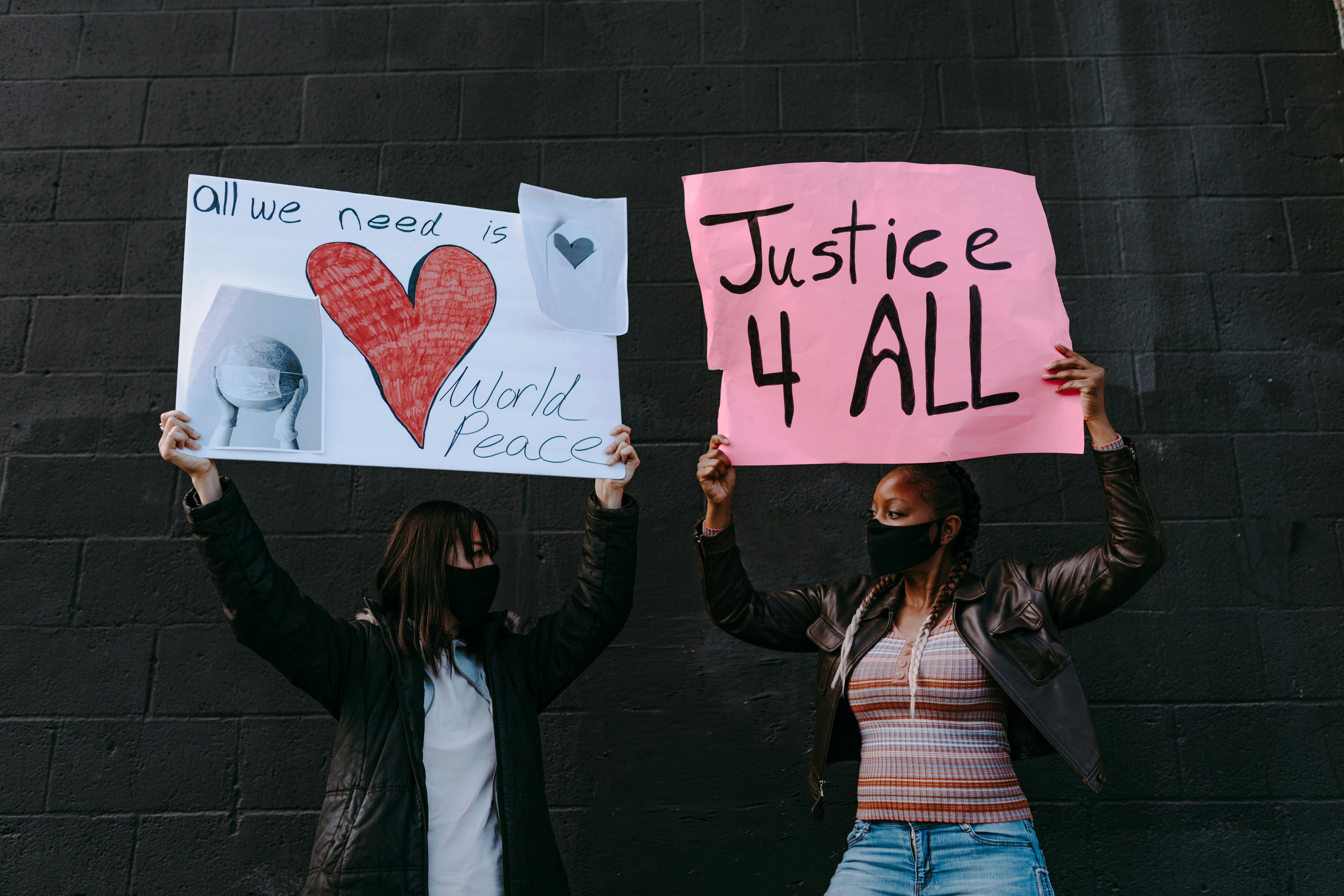
In 2026, conscious consumerism isn't just a trend; it's a powerful movement driving global justice. Discover how your purchasing decisions directly impact human rights, environmental sustainability, and fair labor practices across the world. This comprehensive guide reveals the best ethical shopping platforms, impact investment opportunities, and verifiable certifications for truly responsible brands, empowering you to make a tangible difference with every dollar you spend.
Introduction to the Topic
The year 2026 marks a pivotal moment in the fight for global justice. No longer confined to activist placards or academic discussions, the concept of ethical supply chains has moved firmly into mainstream consciousness, driven by a new generation of informed consumers and groundbreaking technological advancements. Your daily choices, from the coffee you sip to the clothes you wear, are now recognized as powerful levers for change, capable of dismantling systemic injustices and fostering a more equitable world. The question is no longer if your purchases have an impact, but how much positive impact you can generate.
An ethical supply chain is one where every step, from raw material extraction to final product delivery, adheres to principles of human rights, fair labor, and environmental stewardship. This means ensuring living wages, safe working conditions, prohibiting child labor, respecting indigenous communities, and minimizing ecological footprints. For too long, opaque global supply chains have allowed exploitation and environmental degradation to flourish, hidden from public view. Today, however, consumer demand for transparency, coupled with innovative solutions, is forcing a reckoning. This article will equip you with the knowledge and tools to navigate this evolving landscape, identify truly responsible brands, and become an active participant in building a just future.
Backgrounds & Facts
Despite significant progress, the global economy in 2026 still grapples with profound injustices embedded within its supply chains. Reports from organizations like the International Labour Organization continue to highlight that millions remain trapped in forced labor, often in industries that feed Western consumer markets. Environmental degradation, from deforestation to plastic pollution, is directly linked to unsustainable production methods. The drive for lowest-cost production often comes at an unconscionable human and ecological price.
However, the tide is turning. Consumer awareness has reached an all-time high, with surveys indicating that over 70% of consumers in developed nations are willing to pay more for ethically sourced products. Regulatory frameworks are catching up; the EU's Corporate Sustainability Due Diligence Directive, fully implemented by 2026, sets a global precedent, requiring large companies to identify, prevent, and mitigate human rights and environmental impacts in their value chains. Similar legislation is emerging in other major economies, signaling a new era of corporate accountability.
Technological innovation is also playing a transformative role. Blockchain technology, once a nascent concept, is now widely deployed to create immutable records of supply chain journeys, offering unprecedented traceability from farm to factory to shelf. Artificial intelligence (AI) and machine learning algorithms are being used to analyze vast datasets, identify risk hotspots, and predict potential ethical breaches before they occur. These advancements empower both consumers and businesses to demand and verify genuine ethical practices, moving beyond mere marketing claims to verifiable impact.
Expert Opinion / Analysis
“The era of ‘greenwashing’ is swiftly being replaced by an era of ‘impact washing,’ where companies claim social responsibility without verifiable action,” states Dr. Anya Sharma, CEO of GlobalTrace Analytics, a leading firm specializing in AI-driven supply chain transparency. “Our platforms in 2026 can analyze a brand’s entire value chain, flagging inconsistencies in labor practices, environmental compliance, and community engagement. Consumers today aren't just looking for a logo; they're demanding auditable data, and AI is making that possible at scale.”
Maria Rodriguez, founder of the Conscious Shopper Network, emphasizes the power of collective action. “Individual purchasing decisions are vital, but when millions of consumers choose ethical alternatives, it sends an undeniable signal to corporations. We’ve seen entire industries shift their sourcing strategies due to sustained consumer pressure and the rise of ethical competitors. The next frontier is empowering communities at the source – investing in producer-led initiatives and supporting brands that truly share power and profit.”
Liam O'Connell, an impact investor at Equitable Futures Fund, highlights the financial sector's role. “Responsible investing is no longer a niche. ESG (Environmental, Social, Governance) funds are outperforming traditional benchmarks, and direct impact investing into ethical enterprises is booming. Investors realize that companies with strong ethical supply chains are more resilient, attract better talent, and mitigate long-term risks. By 2026, allocating capital to businesses committed to global justice is simply smart business.” These experts agree: the convergence of informed consumers, stringent regulations, and disruptive technology is fundamentally reshaping the global economic landscape, pushing ethical considerations from the periphery to the core of business operations.
💰 Best Options in Comparison (VERY IMPORTANT)
Navigating the complex world of ethical consumption and investment can feel daunting, but in 2026, a wealth of resources exists to empower your choices. Whether you're looking to purchase responsibly, invest with purpose, or simply learn more, these options provide actionable pathways to support global justice.
- Ethical Shopping Platforms & Directories: These digital marketplaces and guides curate brands that meet specific ethical criteria. Platforms like “EthicalFinds.com” or the “SustainSource App” (hypothetical for 2026, but representative of existing trends) go beyond simple product listings, often providing transparency scores, detailed brand profiles, and user reviews focused on social and environmental impact. They simplify the process of discovering clothing, home goods, and electronics made with fair labor and sustainable materials.
- Verifiable Certifications: These third-party labels provide assurance that products or companies meet rigorous ethical standards. Look for certifications such as Fair Trade (International/USA), ensuring fair prices and safe conditions for farmers and artisans; B Corp, signifying a company's commitment to balancing profit with purpose across all operations; GOTS (Global Organic Textile Standard), guaranteeing organic status of textiles from harvesting of raw materials through environmentally and socially responsible manufacturing; and Rainforest Alliance, promoting sustainable agriculture and biodiversity.
- Impact Investment Opportunities: For those looking to align their financial portfolio with their values, impact investing offers a powerful avenue. ESG (Environmental, Social, Governance) exchange-traded funds (ETFs) and mutual funds allow you to invest in a basket of companies screened for their ethical performance. Additionally, platforms like “Ethical Ventures Connect” (hypothetical) facilitate direct investment into startups and small businesses that are B Corp certified, leverage blockchain for transparency, or are actively building ethical supply chains in underserved communities.
- Supply Chain Transparency Tools (for businesses/advocates): While primarily for businesses, understanding these tools can help you identify truly committed brands. Solutions like blockchain-based traceability platforms (e.g., those offered by Provenance or similar 2026 providers) allow consumers to scan QR codes on products and see the entire journey, from raw material to retail. Organizations like Sedex also provide auditing and reporting services that companies use to manage and improve labor standards across their supply chains.
To further empower your decision-making, here's a comparison of key options:
| Category | Key Benefit | Best For | How to Identify / Access |
|---|---|---|---|
| Product Certifications | Ensures specific social and environmental standards for individual goods. | Everyday consumer goods like food, clothing, coffee, crafts. | Look for logos: Fair Trade, GOTS, Rainforest Alliance, Marine Stewardship Council (MSC) on packaging. |
| Company-Wide Certifications | Holistic assessment of a company's entire social and environmental performance. | Brands committed to overall ethical business practices across all operations. | Check for B Corp certification on company websites or search the B Lab directory. |
| Ethical Shopping Platforms | Aggregates and vets ethical brands/products, often with transparency metrics. | Discovering new ethical brands, comparing options, simplifying ethical shopping. | Utilize dedicated apps/websites (e.g., EthicalFinds.com, Good On You app). |
| Impact Investing Funds | Financial returns with measurable positive social/environmental impact. | Investors seeking to align their finances with their values; long-term growth. | Consult financial advisors for ESG funds, explore specialized impact investment platforms. |
| Direct Traceability Tools (B2C) | Provides verifiable, granular supply chain data directly to the consumer. | Consumers wanting to see the exact journey of their specific product. | Scan QR codes on product packaging that link to blockchain-verified data. |
Outlook & Trends
The journey towards truly ethical and transparent global supply chains is far from over, but the outlook for 2026 and beyond is one of accelerating change. We can anticipate several key trends shaping this landscape:
Hyper-Transparency as the Norm: As blockchain and AI tools become more sophisticated and affordable, product traceability will evolve from a niche feature to a consumer expectation. Brands that cannot provide verifiable data on their sourcing and labor practices will face increasing scrutiny and market erosion.
Integrated Circular Economy Models: Ethical supply chains will increasingly merge with circular economy principles. This means not just ethical production, but also designing products for longevity, repairability, and recyclability, minimizing waste and resource extraction from the outset. Brands offering take-back programs, repair services, and product-as-a-service models will gain significant traction.
Predictive Ethics and AI Governance: AI will move beyond just tracking data to proactively identifying potential ethical risks. Algorithms will analyze geopolitical shifts, climate patterns, and labor market trends to predict where human rights abuses or environmental damage are most likely to occur, allowing for preventative action rather than reactive remediation. Ethical guidelines for AI itself will become a critical area of governance.
Policy Harmonization & Enforcement: International cooperation on supply chain due diligence will strengthen, leading to more harmonized global standards and more robust enforcement mechanisms. This will create a level playing field for ethical businesses and make it harder for unethical actors to operate. The focus will shift from voluntary guidelines to mandatory compliance with real penalties.
Gen Z and Alpha Driving Demand: The youngest generations, digital natives acutely aware of global issues, will continue to be the primary drivers of demand for ethical and sustainable products. Their purchasing power, coupled with their social media influence, will accelerate the shift towards responsible consumption, forcing even traditional industries to adapt or risk obsolescence.
Conclusion
In 2026, the power to shape global justice truly lies in your hands – and your wallet. The days of blissful ignorance about product origins are fading, replaced by an era of unprecedented transparency and accountability. By actively seeking out certified ethical brands, supporting impact investments, and utilizing the growing array of transparency tools, you become an indispensable force for good.
Every purchase is a vote for the kind of world you want to live in. Choose to vote for fair wages, safe working conditions, environmental protection, and genuine human dignity. Start your ethical journey today by exploring the options outlined in this guide. Educate yourself, engage with responsible brands, and inspire those around you. Together, we can build a global economy that truly treats all equally, fostering a future where prosperity is shared, and justice prevails across every supply chain.