
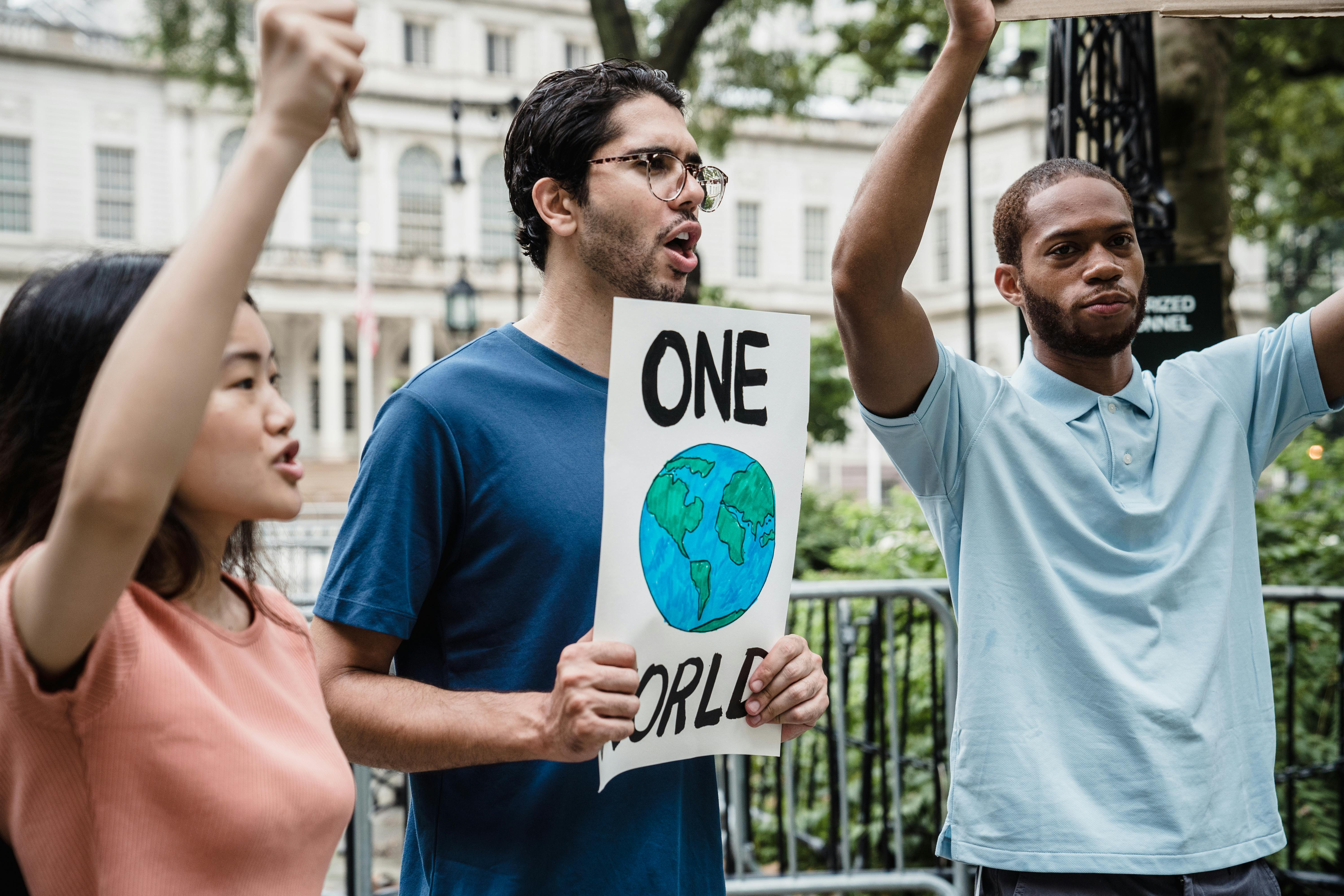
Discover how ethical investment strategies are revolutionizing global climate justice in 2026. This comprehensive guide helps you compare leading sustainable finance platforms and impact funds, ensuring your portfolio actively supports a more equitable and sustainable future while maximizing returns. Explore actionable choices to invest ethically today.
Introduction to the Topic
In 2026, the concept of global justice is more interconnected than ever, with climate change emerging as its most pressing frontier. The climate crisis isn't just an environmental issue; it's a profound challenge to human rights, economic equity, and global stability. Vulnerable communities, often those least responsible for historical emissions, bear the disproportionate brunt of rising sea levels, extreme weather events, and resource scarcity. This stark inequality defines the core of climate justice.
But what if your financial decisions could actively tip the scales towards a fairer, more sustainable world? Welcome to the era of ethical investing and sustainable finance – a powerful movement transforming how capital flows. No longer a niche market, impact investing is now a mainstream imperative for savvy investors looking beyond mere profit. This article from treatusequal.com will guide you through the complex landscape of ethical investment opportunities in 2026, helping you discern genuine impact from greenwashing, compare leading platforms, and build a portfolio that aligns with your values and global justice goals. Are you ready to make your money work for a better planet and people?
Backgrounds & Facts
The urgency of climate justice has never been clearer. By 2026, global temperatures have continued their upward trend, leading to intensified droughts in the Global South, more frequent and severe floods across Asia, and displacement of millions worldwide. The economic toll is staggering, with the UN estimating trillions in losses by mid-century if current trajectories hold. Yet, the burden of adaptation and resilience disproportionately falls on nations with the fewest resources, exacerbating existing inequalities.
In response, the financial sector has seen an explosion of interest in Environmental, Social, and Governance (ESG) criteria and impact investing. Global sustainable investment assets now exceed $50 trillion, projected to grow exponentially. However, this growth has also brought challenges. The specter of greenwashing – where companies or funds make misleading claims about their environmental or social impact – looms large, making it difficult for investors to identify truly ethical options. Regulators, including the EU Taxonomy and the US SEC, have introduced stricter disclosure requirements for 2026 to combat this, demanding greater transparency in ESG reporting and impact measurement. Furthermore, technological advancements, particularly in AI-driven data analytics, are beginning to offer more precise ways to track a company's real-world footprint and adherence to Sustainable Development Goals (SDGs), empowering investors with unprecedented insights into their portfolio's ethical performance.
Expert Opinion / Analysis
Leading experts agree that 2026 represents a critical juncture for integrating climate justice into investment frameworks. Dr. Anya Sharma, a renowned climate finance expert at the Global Equity Institute, states, "The conversation has shifted from 'if' we should invest ethically to 'how' we measure and maximize that impact. Investors are demanding more than just negative screening; they want positive, verifiable contributions to climate resilience and social equity. This requires robust, standardized metrics and a deeper understanding of supply chain ethics and community engagement."
Ben Carter, CEO of ImpactInvest Solutions, highlights the role of innovative financial instruments. "We're seeing a surge in 'just transition' bonds and funds specifically designed to support workers and communities affected by the shift away from fossil fuels. These aren't just about decarbonization; they're about ensuring the energy transition is equitable. Furthermore, the rise of blended finance models, combining philanthropic capital with private investment, is unlocking significant funding for critical climate adaptation projects in developing nations, offering competitive returns alongside profound social benefits." Carter also points to the increasing sophistication of AI in due diligence, allowing investors to scrutinize complex supply chains for human rights abuses and environmental damage, moving beyond self-reported data to real-time monitoring and predictive analytics. This enhanced transparency is crucial for avoiding greenwashing and ensuring capital flows to truly impactful ventures.
💰 Best Options in Comparison (VERY IMPORTANT)
Navigating the ethical investment landscape in 2026 requires informed choices. Whether you're a seasoned investor or just starting, these options provide pathways to align your portfolio with global climate justice. We've focused on platforms and funds that offer robust impact reporting and demonstrate a clear commitment to equitable outcomes.
- Global Climate Equity & Justice Fund (GCEJF): Targets publicly traded companies globally that are demonstrably leading in climate solutions (renewable energy, sustainable agriculture, circular economy) and actively promoting social equity in their operations and supply chains. Strong emphasis on verifiable impact metrics and community benefit programs. Click here to explore GCEJF.
- Community Resilience & Impact Platform (CRIP): A direct-to-project investment platform allowing retail and institutional investors to fund grassroots climate adaptation and mitigation projects in vulnerable communities (e.g., solar microgrids in remote villages, sustainable water infrastructure, climate-resilient farming initiatives). Offers tiered investment options and transparent impact reporting directly from the field. Book a consultation with CRIP advisors.
- Ethical ESG Robo-Advisor by SustainWealth: An automated investment service that builds diversified portfolios rigorously screened for ESG performance, with an additional layer of climate justice filters. It prioritizes companies with strong labor practices, fair wages, and a net-positive environmental footprint. Ideal for hands-off investors seeking broad market exposure with strong ethical guardrails. Start your ethical portfolio with SustainWealth.
- Green Bond & Renewable Infrastructure Fund (GBRIF): Invests directly in certified green bonds and large-scale renewable energy infrastructure projects (wind farms, solar parks, geothermal plants) globally, with a focus on projects that create local jobs and provide affordable energy access to underserved populations. Aims for stable, long-term returns. Learn more about GBRIF investment opportunities.
To help you choose, here's a detailed comparison:
| Investment Option | Investment Type | Minimum Investment | Target Impact | Risk Level | Typical Fees | Best For |
|---|---|---|---|---|---|---|
| Global Climate Equity & Justice Fund (GCEJF) | Public Equities Fund | $1,000 | Climate solutions, social equity in business | Medium | 0.75% AUM | Diversified growth, active company engagement |
| Community Resilience & Impact Platform (CRIP) | Direct Project Funding | $100 | Grassroots climate adaptation, community empowerment | Medium-High | 1-2% project fee | Direct, tangible impact, higher engagement |
| Ethical ESG Robo-Advisor by SustainWealth | Automated Diversified Portfolio | $500 | Broad ESG compliance, ethical screening | Low-Medium | 0.25-0.50% AUM | Passive, diversified, beginner-friendly ethical investing |
| Green Bond & Renewable Infrastructure Fund (GBRIF) | Fixed Income/Infrastructure | $2,500 | Renewable energy generation, green infrastructure | Low-Medium | 0.60% AUM | Stable income, tangible green project support |
Outlook & Trends
Looking ahead to the rest of 2026 and beyond, the intersection of climate justice and ethical investment is set for unprecedented growth and innovation. One major trend is the increasing precision of impact measurement. Advancements in satellite imagery, IoT sensors, and blockchain technology are enabling real-time, verifiable tracking of environmental and social impact, moving beyond historical data to predictive analytics. This will further reduce greenwashing and build investor confidence in truly impactful ventures. We also anticipate the mainstreaming of regenerative finance, which goes beyond sustainability to actively restore ecosystems and build resilient social systems, offering new asset classes in areas like biodiversity credits and regenerative agriculture funds.
Furthermore, global regulatory bodies are expected to harmonize ESG disclosure standards, making cross-border ethical investment comparisons more straightforward. The rise of decentralized finance (DeFi) platforms is also poised to play a role, potentially offering more accessible and transparent ways for individuals to fund climate justice initiatives directly, bypassing traditional intermediaries. The retail investor will continue to gain power, demanding more personalized ethical portfolios and greater transparency from their financial advisors. The future of finance in 2026 is undeniably green, just, and driven by a collective desire to build a more equitable world.
Conclusion
In 2026, investing ethically is no longer just a moral choice; it's a strategic imperative for addressing global climate justice and securing a sustainable future. Your investment decisions hold immense power to either perpetuate existing inequalities or to drive meaningful change. By carefully selecting ethical funds and sustainable finance platforms that prioritize verifiable impact and equitable outcomes, you can transform your portfolio into a powerful force for good.
We've explored the critical landscape of climate justice, debunked the myths of greenwashing, and provided actionable comparisons of leading investment options. Now is the time to move beyond passive observation and become an active participant in building a world where everyone has an equal chance to thrive, free from the disproportionate burdens of climate change. Explore the options, compare the platforms, and take the decisive step towards an ethical portfolio that truly makes a difference. Your financial future, and the future of our planet, depend on it.