
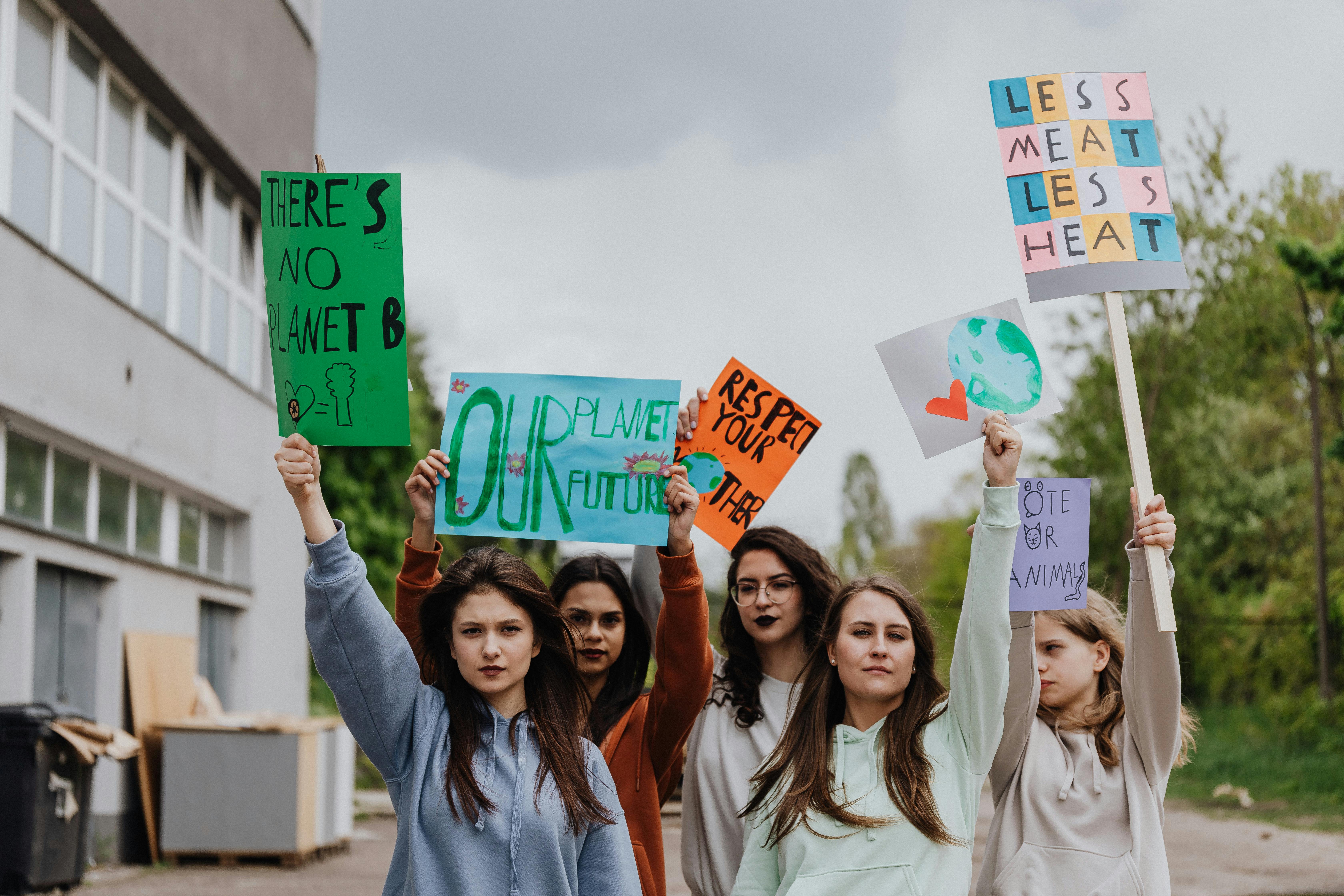
The renewable energy revolution is here, but is it just for the wealthy? Discover how environmental justice communities in 2026 are seizing power, literally and financially, through innovative solar programs, green job training, and strategic investments. Learn how to participate in this equitable energy transition and secure a sustainable future.
Introduction to the Topic
Welcome to 2026, where the promise of a green future is no longer a distant dream, but a tangible reality transforming our landscapes and economies. Yet, as the solar panels spread and wind turbines spin, a critical question persists: who truly benefits from this monumental shift? For far too long, the environmental justice (EJ) movement has highlighted how marginalized communities, often low-income and communities of color, bear the brunt of pollution and climate change impacts, while reaping few of the rewards from green solutions. But a powerful tide is turning. In 2026, we are witnessing an unprecedented convergence of policy, technology, and community activism that is finally making renewable energy equity a cornerstone of the global energy transition.
This isn't just about reducing carbon emissions; it's about economic empowerment, health equity, and self-determination. It's about ensuring that the communities historically left behind, or even actively harmed, by fossil fuel industries are now at the forefront of building a cleaner, more prosperous future. This article delves into the exciting opportunities emerging for individuals, community organizations, and savvy investors to engage with and profit from the equitable distribution of green energy. Whether you're looking to reduce your household's energy bills, invest in impactful projects, or launch a career in the booming green sector, the time to act is now.
Backgrounds & Facts
The concept of Environmental Justice, first articulated decades ago, asserts that all people, regardless of race, color, national origin, or income, have the right to equal protection from environmental hazards and equal access to environmental benefits. In the context of renewable energy, this means more than just avoiding new pollution sources in EJ communities; it means actively ensuring these communities are primary beneficiaries of the clean energy economy.
By 2026, several key facts underscore the urgency and opportunity in this space:
- Persistent Energy Poverty: Despite advancements, millions of households, disproportionately in EJ communities, still face high energy burdens, meaning they spend a significant portion of their income on utility bills. This often leads to difficult choices between keeping the lights on and affording other necessities like food or medicine.
- Disproportionate Impacts: EJ communities continue to suffer from higher rates of respiratory illnesses, cardiovascular diseases, and other health issues directly linked to proximity to polluting industries and lack of green infrastructure. Shifting to renewables in these areas offers direct public health dividends.
- Policy Momentum: Landmark legislation, particularly in the U.S. and E.U., has channeled billions into programs specifically designed to support clean energy development in disadvantaged communities. Tax credits, grants, and loan programs now explicitly prioritize projects that deliver direct benefits to EJ areas, making these investments more financially attractive.
- Technological Advancements: The cost of solar and battery storage has plummeted further, making decentralized, community-owned energy solutions more viable and affordable than ever. Smart grid technologies and microgrids are enabling greater energy independence and resilience for local communities.
- Growing Green Economy: The renewable energy sector is one of the fastest-growing job markets globally. Ensuring EJ communities have access to the training and opportunities needed to fill these roles is crucial for true equity.
The narrative is shifting from merely mitigating harm to actively fostering economic development and wealth creation within these communities. This isn't charity; it's smart economics and ethical governance.
Expert Opinion / Analysis
“The year 2026 marks a pivotal moment for environmental justice in the energy sector,” states Dr. Aliyah Rahman, a leading scholar on energy equity and community development at the Institute for Sustainable Futures. “We’ve moved beyond simply acknowledging the problem to actively building solutions that empower communities. The policy landscape, particularly in the wake of the Inflation Reduction Act in the U.S. and similar 'Green Deal' initiatives in Europe, has created a fertile ground for direct investment and community-led projects.”
Dr. Rahman emphasizes that the key to sustained success lies in genuine community engagement and ownership. “Historically, large-scale renewable projects have often been developed 'on' communities rather than 'with' or 'by' them. Now, we're seeing a rise in models where local residents have a real stake – through co-ownership of solar farms, participation in energy cooperatives, or direct employment in green jobs. This not only ensures equitable wealth distribution but also builds stronger, more resilient local economies.”
From an investment perspective, analysts at 'GreenWealth Capital' highlight the growing stability and returns in EJ-focused renewable projects. “The government incentives are so robust, and the social impact so clear, that these projects are increasingly attractive to both impact investors and traditional funds seeking stable, long-term returns,” explains Marcus Chen, Senior Portfolio Manager. “We’re seeing a 'de-risking' of these ventures, making them prime opportunities for those looking to align their portfolios with their values, without sacrificing financial performance.”
The analysis suggests that the era of passive observation is over. Active participation, whether as a consumer choosing equitable energy options, an investor backing community-led initiatives, or an individual pursuing a green career, is crucial for accelerating this equitable transition. The focus is now on tangible, measurable benefits that directly improve the lives and economic standing of frontline communities.
💰 Best Options in Comparison (VERY IMPORTANT)
For individuals, organizations, and investors looking to engage with and benefit from the renewable energy equity movement in 2026, several compelling options stand out. These pathways offer not just environmental benefits, but direct financial returns, community empowerment, and career growth.
-
1. Community-Owned Renewable Energy Cooperatives & Shared Solar Programs
These models allow residents, particularly those who cannot install solar on their own roofs (e.g., renters, shaded properties), to subscribe to or invest in a local solar farm. Members receive credits on their electricity bills for the power generated by their share of the project. Many programs specifically target low-to-moderate income households with discounted rates or upfront incentives, making clean energy accessible and affordable. Some cooperatives even offer profit-sharing or dividend distributions, turning energy users into energy owners.
Why it’s a top option: Direct bill savings, community wealth building, no upfront cost for subscribers in many programs, and local job creation. It democratizes access to solar energy.
-
2. Home Energy Efficiency & Electrification Programs
Beyond generating clean energy, reducing energy consumption is paramount. Numerous federal, state, and utility-sponsored programs offer grants, rebates, and low-interest loans for energy efficiency upgrades in homes within EJ communities. This includes insulation, weatherization, upgrading to high-efficiency heat pumps (for heating and cooling), smart thermostats, and LED lighting. These upgrades significantly lower monthly energy bills and improve indoor air quality and comfort.
Why it’s a top option: Immediate and long-term cost savings, improved home comfort and health, increased home value, and often fully subsidized for eligible households.
-
3. Green Workforce Development & Certification Programs
The burgeoning renewable energy sector needs a skilled workforce. Many non-profits, community colleges, and private companies now offer specialized training and certification programs in solar installation, wind turbine maintenance, energy auditing, battery storage systems, and electric vehicle infrastructure. These programs often prioritize residents from EJ communities, providing stipends, job placement assistance, and pathways to high-paying, stable careers in the green economy.
Why it’s a top option: Direct path to sustainable employment, significant earning potential, contributes to local economic vitality, and addresses historical employment disparities.
Comparison Table: Unlocking Green Energy Benefits
| Option Type | Primary Benefit | Typical Investment (Individual) | Community Impact | Accessibility for EJ Communities |
|---|---|---|---|---|
| Community Solar & Co-ops | Reduced electricity bills, potential dividends | Low to None (subscription model); Moderate (investment shares) | Local energy generation, wealth building, resilience | High (specifically designed for renters/low-income) |
| Home Energy Efficiency | Lower energy bills, improved comfort & health | Low to None (grants/subsidies); Moderate (loans/rebates) | Reduced energy burden, better housing stock | High (many programs target low-income households) |
| Green Workforce Development | High-paying career, skill acquisition | Low (often free or subsidized training) | Local job creation, economic mobility, reduced unemployment | High (prioritizes EJ residents, support services) |
Outlook & Trends
The trajectory for renewable energy equity in 2026 and beyond is overwhelmingly positive, driven by technological innovation, evolving policy, and heightened public awareness. Several key trends are shaping this future:
- Microgrids and Energy Resilience: Expect to see more community-scale microgrids in EJ areas, providing energy independence and resilience against grid failures, especially critical in the face of increasing climate-induced extreme weather events. These systems often integrate solar, battery storage, and smart controls, creating local energy hubs.
- Advanced Digital Tools for Advocacy: Communities are increasingly leveraging AI-powered sensors, satellite imagery, and data analytics to monitor local pollution, identify environmental injustices, and advocate for change. Platforms that connect communities with legal aid, funding, and technical expertise will become more sophisticated and widespread.
- Impact Investing Goes Mainstream: The appetite for investments that deliver both financial returns and measurable social/environmental impact is surging. More private equity firms, philanthropic foundations, and even individual investors are actively seeking out opportunities in EJ-focused renewable projects, driving capital into underserved areas.
- Green Hydrogen and Next-Gen Storage: While still developing, green hydrogen production and advanced long-duration energy storage solutions are on the horizon, promising even greater energy independence and opportunities for industrial decarbonization in EJ communities, potentially creating new manufacturing jobs.
- Stronger Regulatory Enforcement: Governments are likely to bolster environmental regulations and enforcement, further incentivizing industries to adopt cleaner practices and invest in community benefits, especially in historically overburdened areas.
The future of renewable energy equity is not just about installing more panels; it's about building a fundamentally fairer and more robust energy system that serves everyone. The innovations and investments happening now are laying the groundwork for a truly transformative decade.
Conclusion
The year 2026 stands as a testament to the power of collective action and strategic investment in addressing environmental injustices. The green energy revolution is no longer a distant ideal but a tangible pathway to prosperity and health for frontline communities. From community-owned solar projects that slash energy bills and generate local wealth, to comprehensive home efficiency upgrades that improve living conditions, and robust workforce development programs creating high-paying jobs, the opportunities are abundant and accessible.
This is more than just an environmental imperative; it's an economic opportunity that promises significant returns – not just in dollars, but in improved public health, community resilience, and social equity. Whether you are a homeowner seeking to lower your energy burden, an aspiring green professional, or an investor looking for impactful and secure opportunities, the time to engage with renewable energy equity is now. Explore the options, connect with local initiatives, and become a part of the movement that is truly making the green gold rush a reality for all. Your participation isn't just a choice; it's an investment in a fairer, healthier, and more sustainable future for everyone.