
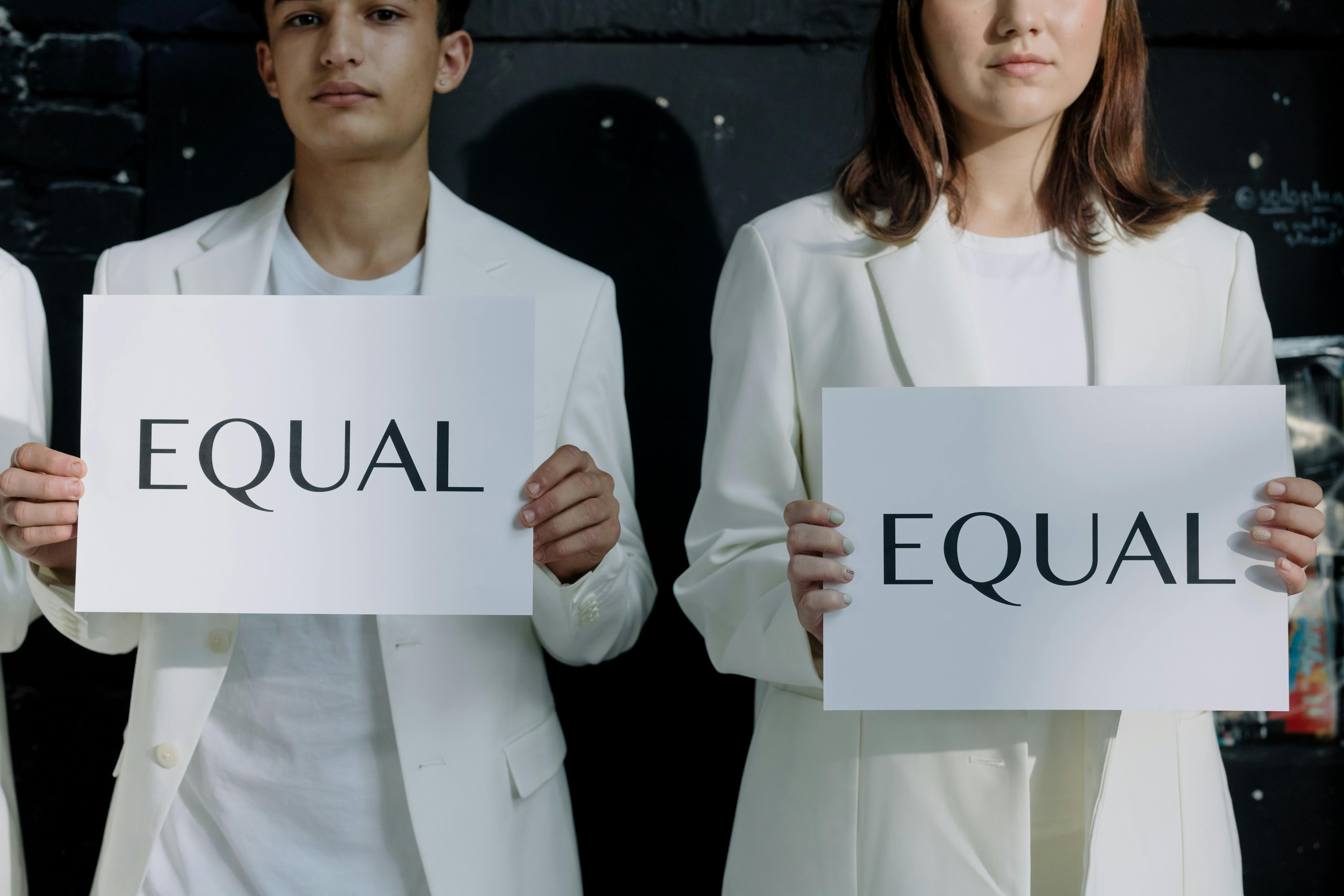
In 2026, achieving true workplace equality is no longer just a moral imperative; it's a strategic business advantage. This in-depth guide explores how cutting-edge AI-powered solutions, from bias detection software to inclusive talent management platforms and advanced DEI analytics, are revolutionizing the modern workplace. Discover the best tools and services to invest in now to boost employee engagement, attract top talent, mitigate risks, and drive unparalleled financial returns. Optimize your HR tech stack for equity and unlock your organization's full potential.
Introduction to the Topic
The year is 2026, and the global workforce is more dynamic, diverse, and digitally integrated than ever before. While significant strides have been made in workplace equality over the past decade, persistent challenges remain, often exacerbated or reshaped by the rapid integration of Artificial Intelligence (AI) into daily operations. Forward-thinking organizations understand that a truly equitable and inclusive environment isn't merely a 'nice-to-have'—it's the bedrock of innovation, employee retention, and sustainable growth. Companies that fail to prioritize equality risk not only reputational damage and legal repercussions but also losing their competitive edge in a fiercely talent-driven market.
This article, brought to you by treatusequal.com, delves into the critical intersection of AI and workplace equality. We'll explore how intelligent technologies, when implemented thoughtfully and ethically, can become powerful allies in dismantling systemic biases, fostering a culture of belonging, and ultimately, boosting your bottom line. More importantly, we'll guide you through the leading solutions and services available in 2026, offering a clear path for businesses ready to invest in a future where everyone has an equal opportunity to thrive.
Backgrounds & Facts
The landscape of workplace equality in 2026 is complex. Surveys consistently show that while awareness of DEI (Diversity, Equity, and Inclusion) issues is at an all-time high, the lived experiences of many employees still fall short of truly equitable treatment. Data from leading research firms indicates that diverse teams continue to outperform homogeneous ones by up to 35% in profitability, yet only a fraction of companies have fully integrated DEI into their core business strategy. The global push for ESG (Environmental, Social, and Governance) reporting has further amplified the need for measurable progress in social aspects, with investors increasingly scrutinizing companies' equality metrics.
The advent of AI introduces both unprecedented opportunities and significant risks. On one hand, AI can analyze vast datasets to identify subtle patterns of bias in hiring, promotion, and performance management that human eyes might miss. It can personalize learning paths, provide equitable feedback, and automate administrative tasks, freeing up HR to focus on strategic initiatives. On the other hand, if AI systems are trained on biased historical data or designed without ethical oversight, they can inadvertently perpetuate or even amplify existing inequalities, leading to discriminatory outcomes in areas like recruitment screening, predictive performance reviews, and even compensation recommendations. Ensuring 'fair AI' is a paramount concern for regulators and ethicists alike in 2026.
The post-pandemic shift to hybrid and remote work models has also reshaped equality discussions, highlighting new challenges around digital inclusion, equitable access to opportunities regardless of location, and preventing proximity bias. Companies are realizing that traditional, one-size-fits-all approaches to equality are no longer sufficient. A data-driven, technology-enabled, and continuously adaptive strategy is essential for navigating the complexities of the modern global workforce.
Expert Opinion / Analysis
“In 2026, the question isn't whether AI will impact workplace equality, but how we proactively shape that impact,” states Dr. Anya Sharma, CEO of Equitech Insights, a leading HR technology consulting firm. “Many organizations are still playing catch-up, treating DEI as a compliance checkbox rather than a strategic lever. However, the most successful companies are those that are boldly integrating ethical AI and advanced analytics into every facet of their talent lifecycle, moving beyond performative gestures to measurable, systemic change.”
Dr. Sharma emphasizes that a key challenge lies in the 'black box' nature of some AI algorithms. “Transparency and explainability are non-negotiable. Companies need solutions that not only identify biases but also explain why they exist and provide actionable recommendations for remediation. This requires a human-in-the-loop approach, where HR professionals and DEI leaders collaborate with data scientists to continuously audit, refine, and improve AI systems.” She also points out the growing importance of 'equity by design'—embedding fairness principles from the very initial stages of AI development and deployment, rather than trying to retrofit them later. The future of workplace equality, according to Dr. Sharma, hinges on this synergistic relationship between human oversight, ethical AI, and a genuine commitment to creating workplaces where every individual can thrive.
💰 Best Options in Comparison (VERY IMPORTANT)
Investing in the right AI-powered workplace equality solutions in 2026 is a critical decision that can yield significant ROI through enhanced talent attraction, improved employee retention, boosted productivity, and a stronger brand reputation. Here are the top categories of solutions that companies are leveraging, along with key considerations for your purchasing intent:
- AI-Powered Bias Detection & Mitigation Platforms: These tools are designed to identify and correct unconscious biases in various HR processes, from job descriptions and resume screening to performance reviews and promotion pathways. They use natural language processing (NLP) and machine learning to flag biased language, predict potential discrimination, and offer more equitable alternatives, ensuring a fairer start for all candidates and employees.
- Inclusive Employee Experience & Engagement Software: Beyond just detecting bias, these platforms focus on creating a supportive and equitable environment. They often include features for anonymous feedback, micro-aggression reporting, personalized career development paths, mentorship matching, and mental well-being support, tailored to individual needs and preferences. Their goal is to ensure every employee feels valued, heard, and has equal access to growth opportunities.
- Advanced Diversity, Equity, & Inclusion (DEI) Analytics & Reporting Tools: For organizations committed to data-driven decision-making, these solutions provide deep insights into workforce demographics, pay equity gaps, representation across different levels, and the effectiveness of DEI initiatives. They offer customizable dashboards, predictive modeling, and compliance reporting features, allowing companies to track progress, identify areas for improvement, and demonstrate tangible ROI on their equality investments.
To help you compare and choose the best fit for your organization, here's a detailed comparison of key features and benefits:
| Solution Category | Key Features | Primary Benefit | Ideal For | Estimated Cost (2026 - Annual) |
|---|---|---|---|---|
| AI Bias Detection & Mitigation | Bias-free job description writers, anonymized resume screening, performance review bias alerts, promotion pathway analysis. | Ensures fair and objective talent acquisition & development processes, reducing legal risks and improving candidate diversity. | Companies seeking to eliminate systemic bias in HR, improve candidate pool diversity, and ensure equitable career progression. | Starts at $15,000 (SME) to $150,000+ (Enterprise) |
| Inclusive Employee Experience Software | Personalized learning & development, mentorship programs, anonymous feedback & incident reporting, well-being integration, recognition tools. | Fosters a strong culture of belonging, boosts employee engagement & retention, enhances overall well-being and productivity. | Organizations focused on employee satisfaction, retention, psychological safety, and creating an actively inclusive workplace. | Starts at $10 per employee/month (tiered pricing) |
| Advanced DEI Analytics & Reporting | Real-time DEI dashboards, pay equity analysis, representation metrics, sentiment analysis, predictive modeling, compliance reporting. | Provides actionable insights into DEI performance, identifies gaps, measures impact of initiatives, and supports strategic planning. | Companies needing to track and report on DEI progress, identify specific areas for improvement, and demonstrate ROI to stakeholders. | Starts at $20,000 (SME) to $200,000+ (Enterprise) |
Outlook & Trends
Looking ahead, the evolution of workplace equality in 2026 and beyond will be shaped by several key trends. We anticipate a surge in demand for 'Ethical AI' certifications for HR technology, providing a benchmark for trust and responsible development. The concept of 'hyper-personalization' will extend to DEI, with AI-driven tools tailoring inclusion strategies to individual employee needs and preferences, moving beyond broad initiatives to highly targeted interventions. Expect to see more sophisticated integration of mental health and neurodiversity support within equality frameworks, recognizing these as fundamental components of a truly inclusive environment.
Furthermore, the metaverse and immersive virtual work environments, while still nascent, present both opportunities and challenges for equality. Companies will need to proactively design these spaces to prevent digital exclusion and ensure equitable access and representation. The regulatory landscape will also continue to evolve, with stricter guidelines around data privacy, algorithmic transparency, and accountability for AI-driven HR decisions. Ultimately, the future of workplace equality will be characterized by a relentless pursuit of transparency, continuous learning, and a proactive embrace of technology as an enabler for human flourishing.
Conclusion
In 2026, the pursuit of workplace equality is no longer an option but a strategic imperative for any organization aiming for sustained success. The intelligent integration of AI-powered solutions offers an unparalleled opportunity to dismantle biases, foster genuine inclusion, and unlock the full potential of your diverse workforce. By strategically investing in bias detection tools, inclusive employee experience platforms, and advanced DEI analytics, your company can move beyond traditional approaches, build a resilient and equitable culture, and realize significant returns on investment.
Don't let your organization fall behind. Explore the cutting-edge solutions highlighted in this guide and start the conversation about how ethical AI can transform your workplace into a beacon of equality and innovation. The time to act is now – secure your future by treating everyone equally, powered by smart technology.