
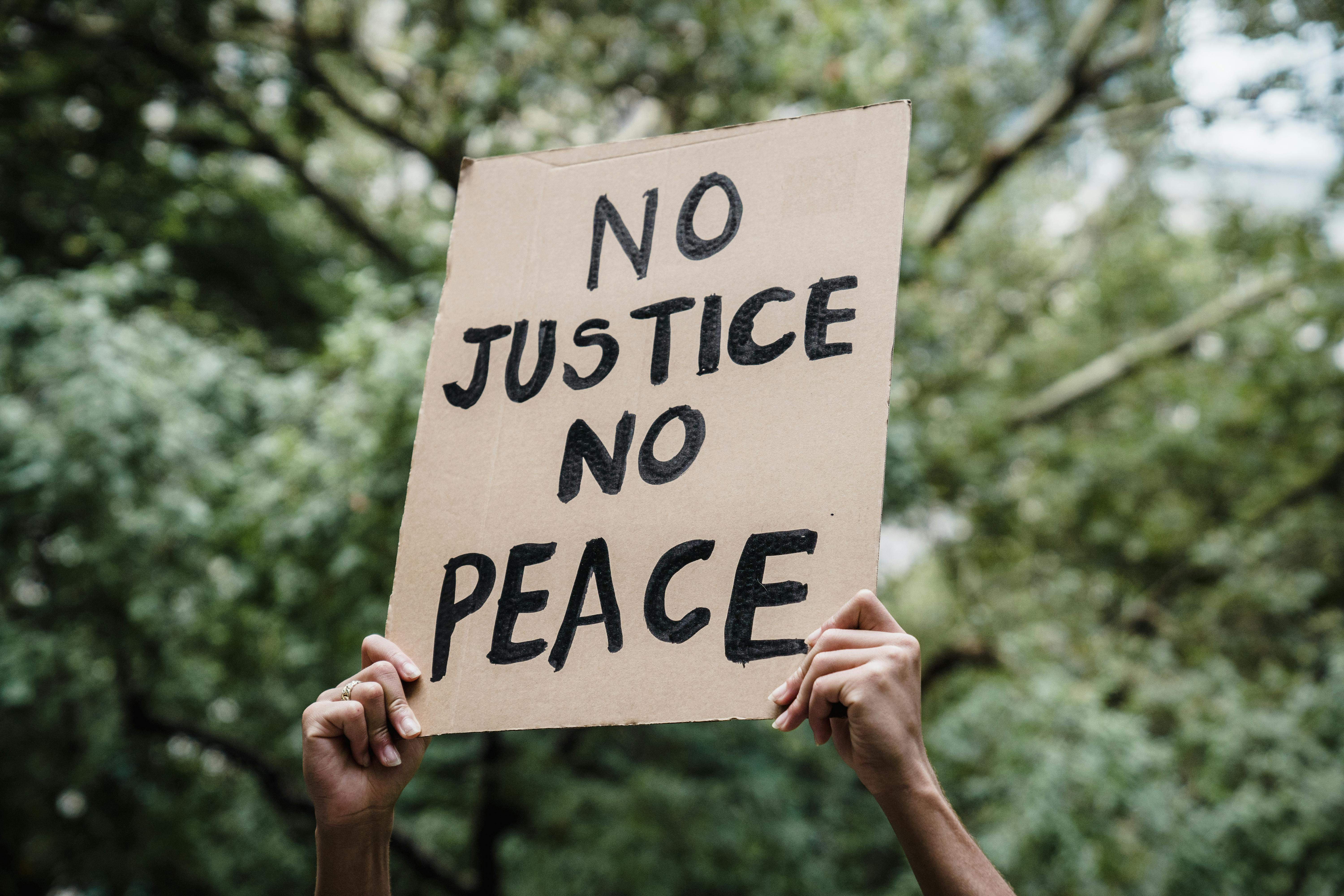
In 2026, global supply chains are more complex and opaque than ever, hiding exploitation, environmental damage, and human rights abuses. This definitive guide reveals the hidden costs of your everyday purchases and empowers you with actionable insights, cutting-edge ethical supply chain solutions, and high-impact investment opportunities. Discover how to choose transparent brands, invest in a just future, and drive corporate accountability for a truly sustainable world.
Introduction to the Topic
Welcome to 2026, where the interconnectedness of our world is undeniable, yet the origins of our products remain shrouded in mystery. Every item in your home, from your smartphone to your coffee, has a story – a journey through a global supply chain that often begins far from the consumer's gaze. While convenience and affordability have soared, so too have concerns about the ethical implications of these intricate networks. Are the workers who produce your goods paid fairly? Is the environment being ravaged for raw materials? Are corporations truly accountable for their global footprint?
The answers, unfortunately, are often grim. Modern slavery, child labor, unsafe working conditions, and devastating environmental practices persist across industries. But there's a growing wave of awareness, driven by informed consumers and innovative technologies, demanding change. This article isn't just about exposing problems; it's about empowering you, the consumer and the investor, with the knowledge and tools to become a force for global justice. We’ll delve into the current landscape, spotlight expert insights, and, most importantly, provide a comprehensive comparison of the best ethical supply chain solutions and impact investing platforms available today, helping you make choices that align with your values and contribute to a more equitable world.
Backgrounds & Facts
By 2026, the global economy has seen unprecedented digital transformation, yet many fundamental issues within supply chains remain. The International Labour Organization (ILO) estimates that over 50 million people are still trapped in modern slavery worldwide, a staggering figure that underscores the pervasive nature of exploitation. These individuals are often hidden deep within the lower tiers of supply chains, making identification and intervention incredibly challenging. Geopolitical instability, climate migration, and the lingering economic effects of the mid-2020s pandemics have further exacerbated vulnerabilities, pushing more people into precarious work.
Environmental degradation is another critical facet of the issue. From deforestation for palm oil and soy to the immense carbon footprint of global shipping and manufacturing, supply chains are major contributors to climate change. The extraction of critical minerals for electronics, often occurring in conflict zones, continues to fuel both human rights abuses and ecological devastation. Consumers are increasingly aware of these links, with surveys showing a significant preference for brands demonstrating genuine environmental and social responsibility.
Technological advancements, particularly in Artificial Intelligence (AI) and blockchain, are both a blessing and a curse. While AI can optimize logistics and detect anomalies, potentially aiding in identifying risks, it also brings concerns about job displacement and algorithmic bias. Blockchain offers the promise of immutable traceability, providing a digital ledger for every step of a product's journey, from raw material to retail shelf. However, its widespread adoption is still navigating regulatory hurdles and industry standards. Regulatory bodies, especially in the EU with its pioneering Corporate Sustainability Due Diligence Directive (CSDDD), and similar burgeoning legislation in North America and Asia, are beginning to mandate greater transparency and accountability from corporations, shifting the burden of proof onto businesses to demonstrate ethical practices.
Expert Opinion / Analysis
"The era of 'ignorance is bliss' for corporations is rapidly ending," states Dr. Anya Sharma, lead researcher at the Global Justice Institute. "Consumers, investors, and regulators are no longer content with vague CSR reports. They demand verifiable data, real-time transparency, and measurable impact. Companies that fail to adapt will face significant reputational damage, legal penalties, and ultimately, a loss of market share." Dr. Sharma emphasizes that true ethical transformation requires a holistic approach, integrating due diligence into core business strategy rather than treating it as an add-on.
Mr. Kenji Tanaka, CEO of EcoTrace Solutions, a leading provider of supply chain visibility software, adds, "AI and blockchain aren't magic bullets, but they are powerful enablers. We're seeing a shift from reactive problem-solving to proactive risk mitigation. Predictive analytics can now flag potential human rights abuses or environmental violations before they escalate, based on data from satellite imagery, social media monitoring, and worker grievance mechanisms. The challenge lies in integrating these disparate data sources effectively and ensuring data integrity."
The consensus among experts is clear: the future of global commerce is inextricably linked to ethics. Businesses that invest in robust ethical supply chain solutions not only mitigate risk but also build brand loyalty, attract impact investors, and gain a competitive edge. For individuals, the power of their purchasing decisions and investment choices has never been more significant. Every dollar spent or invested can either perpetuate injustice or contribute to a more sustainable and equitable global economy.
💰 Best Options in Comparison (VERY IMPORTANT)
Navigating the landscape of ethical consumption and responsible investing can feel overwhelming, but 2026 offers more robust tools and platforms than ever before. Whether you're a conscious consumer seeking transparent brands, a business aiming for full supply chain visibility, or an investor looking to make a positive impact, there are tailored solutions available. Here, we compare the top categories of ethical tools and services that empower you to drive change.
- Ethical Sourcing & Transparency Platforms (for Businesses & Consumers): These platforms leverage technology to map supply chains, verify ethical claims, and provide consumers with unprecedented insight into product origins. They're essential for businesses seeking compliance and for shoppers demanding transparency.
- Impact Investment & ESG Funds (for Investors): Beyond traditional financial returns, these investment vehicles prioritize environmental, social, and governance (ESG) factors, channeling capital towards companies actively solving global challenges.
- Certification & Auditing Services (for Businesses): For companies committed to ethical practices, third-party certifications and rigorous auditing provide credibility, ensure compliance with international standards, and build trust with stakeholders.
To help you choose the best path forward, here’s a comprehensive comparison of key options:
| Solution Type | Target User | Key Benefits | Cost/Effort (Est.) | Top Providers/Examples |
|---|---|---|---|---|
| Ethical Sourcing & Transparency Platforms | Businesses (B2B), Consumers (B2C) | Supply chain mapping, risk assessment, real-time data, consumer trust, compliance. | High (B2B subscription, integration); Low (B2C app usage, free) | EcoTrace Solutions, Transparency-One, Provenance, Good On You (B2C app) |
| Impact Investment & ESG Funds | Individual Investors, Institutional Investors | Financial returns + positive social/environmental impact, diversified portfolios. | Varies (fund fees, minimum investments); Moderate (research) | Fidelity Sustainable Funds, Vanguard ESG Funds, Trillium Asset Management, Ethic (AI-powered) |
| Certification & Auditing Services | Businesses (all sizes) | Third-party verification, compliance, brand reputation, market access, risk reduction. | Moderate to High (audit fees, implementation costs, annual renewal) | Fair Trade International, B Corp Certification, Rainforest Alliance, SMETA Audits |
Outlook & Trends
The trajectory for ethical supply chains in 2026 and beyond points towards increasing integration and mandatory compliance. The "always-on" nature of AI-driven monitoring will become standard, allowing companies to track their supply chains 24/7 for anomalies, worker sentiment, and environmental impact. Blockchain's role will mature, moving beyond pilot projects to become a foundational layer for verifiable claims, especially in industries prone to counterfeiting or complex origins like luxury goods and pharmaceuticals.
Expect to see a convergence of regulatory frameworks globally, with more nations adopting due diligence laws similar to the EU's CSDDD, making ethical practices a non-negotiable aspect of international trade. Consumer demand will continue to be a powerful driver, pushing for "regenerative" business models that not only minimize harm but actively restore ecosystems and uplift communities. The concept of "Digital Product Passports" will become more prevalent, providing consumers with a comprehensive, verifiable history of a product's lifecycle via a simple QR code scan. Investment in green technology solutions and circular economy initiatives will surge, fueled by both ethical imperatives and the undeniable economic opportunities they present.
Conclusion
The journey towards truly ethical and transparent global supply chains is complex, but the momentum for change in 2026 is undeniable. From the boardroom to the shopping cart, every decision holds weight. As consumers, our purchasing power is a vote for the kind of world we want to inhabit. By actively seeking out brands committed to ethical sourcing, utilizing transparency apps, and investing in impact-driven funds, we can collectively pressure corporations to prioritize people and the planet over pure profit.
For businesses, the choice is clear: embrace proactive ethical due diligence and leverage innovative technologies, or risk obsolescence in a market increasingly defined by values. The future of global justice hinges on our collective commitment to transparency, accountability, and the unwavering belief that every product should have a story of integrity, not exploitation. Make your choices count – for a better, fairer 2026 and beyond.