
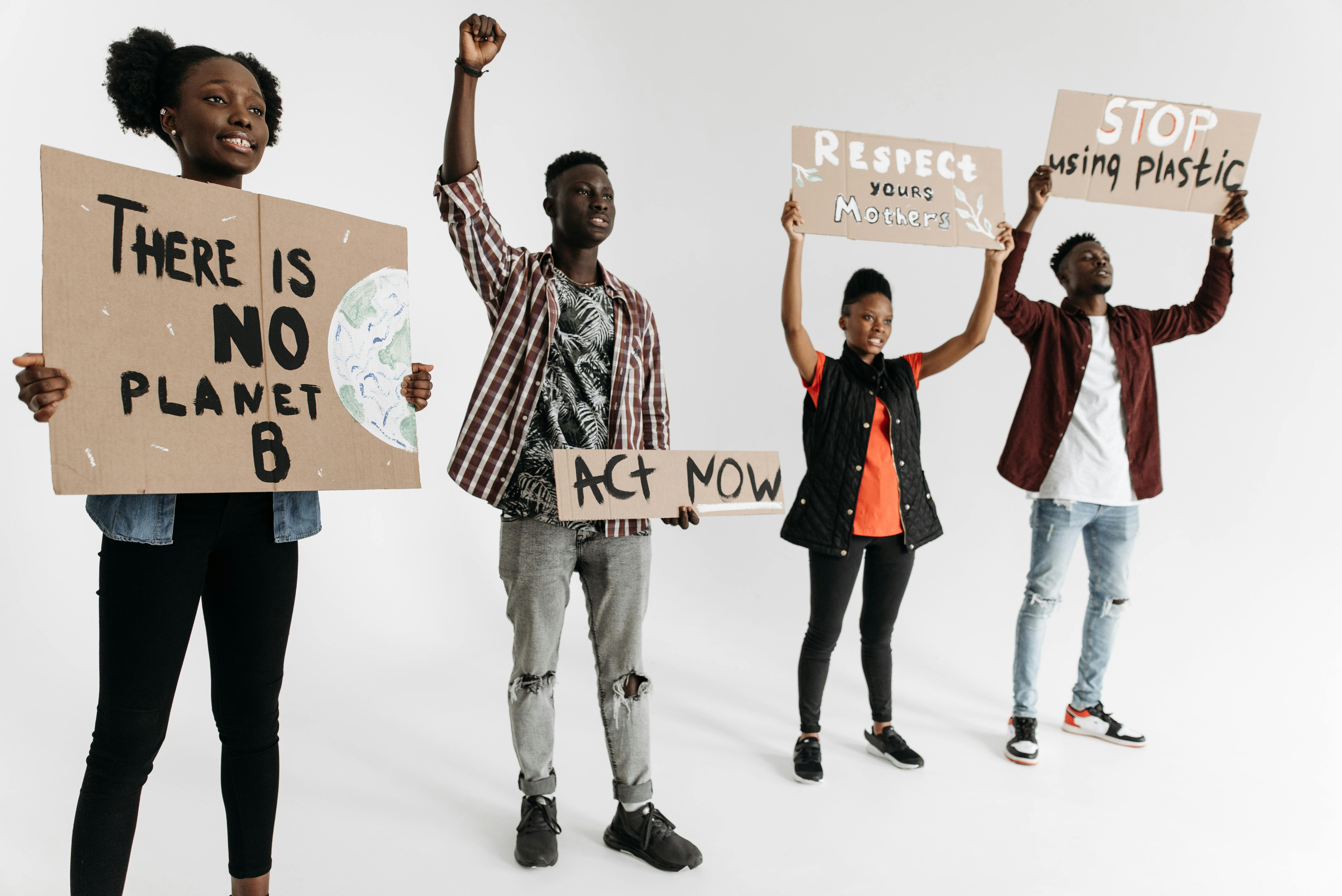
In 2026, environmental injustice is more than a buzzword – it's a stark reality impacting health, wealth, and community well-being. Discover how systemic pollution disproportionately burdens marginalized populations, and learn about the groundbreaking green investments, sustainable solutions, and eco-friendly products that are not just fighting for equity but also offering incredible financial returns. From community solar programs to advanced home air filtration and ethical consumer choices, uncover actionable strategies to protect your family, empower your community, and invest in a truly just, prosperous future.
Introduction to the Topic
Imagine a world where the air you breathe, the water you drink, and the soil your food grows in are dictated not by nature, but by your zip code and socioeconomic status. For millions across the globe, this isn't a dystopian fantasy; it's the daily reality of environmental injustice. As we navigate 2026, the urgency of this crisis has reached a critical tipping point, driven by accelerating climate change, persistent systemic inequalities, and a growing recognition that environmental health is inextricably linked to human rights and economic opportunity.
Environmental justice (EJ) is the principle that all people, regardless of race, income, or national origin, have the right to equal protection from environmental hazards and equal access to decision-making processes that affect their environment. Historically, and still today, communities of color and low-income areas are disproportionately burdened by polluting industries, toxic waste sites, and inadequate infrastructure, leading to severe health disparities and economic stagnation. But 2026 isn't just about acknowledging the problem; it's about pioneering solutions. This article will not only expose the deep-seated issues but also illuminate the most promising avenues for individuals, families, and investors to actively participate in the environmental justice revolution – turning systemic challenges into opportunities for health, wealth, and equity.
From cutting-edge home solutions to impact investment strategies, we'll guide you through the choices that empower you to demand a cleaner, fairer world, while also making smart decisions for your own future. Are you ready to transform your understanding of environmental justice into tangible action and profit?
Backgrounds & Facts
The roots of environmental injustice run deep, often tracing back to discriminatory practices like redlining, which concentrated marginalized communities in areas adjacent to industrial zones. Decades of these policies have created a landscape where low-income neighborhoods and communities of color are far more likely to live near hazardous waste facilities, power plants, and major transportation arteries. The data in 2026 remains stark: studies consistently show that these communities experience higher rates of asthma, lead poisoning, cancer clusters, and other chronic illnesses directly linked to environmental exposure.
For instance, a recent 2025 report from the EPA revealed that residents in overburdened communities are exposed to up to 15 times more particulate matter and 2.5 times more hazardous air pollutants than those in affluent, predominantly white areas. This isn't just a health crisis; it's an economic drain. High healthcare costs, lost wages due to illness, and depressed property values perpetuate a cycle of poverty, making it harder for these communities to break free. Furthermore, the accelerating impacts of climate change – from extreme weather events to rising sea levels – disproportionately affect these same vulnerable populations, who often lack the resources for adaptation and recovery.
Globally, the picture is similar. Developing nations, often contributing least to global emissions, bear the brunt of climate disasters and resource exploitation by wealthier countries. However, 2026 also marks a turning point with increased governmental and intergovernmental focus. Initiatives like the U.S. Justice40 Initiative, aiming to direct 40% of the overall benefits of certain federal investments to disadvantaged communities, and similar programs worldwide, signify a growing, albeit slow, commitment to rectifying these historical wrongs. Understanding these facts is the first step towards informed action and investment.
Expert Opinion / Analysis
“By 2026, the data is unequivocal: communities of color and low-income populations continue to bear the brunt of environmental degradation. However, we're also seeing a powerful shift – an economic awakening where sustainable solutions are no longer just ethical, but demonstrably profitable, driving both social good and financial growth,” states Dr. Anya Sharma, a leading expert in socio-environmental economics at the Global Equity Institute. Her analysis highlights a crucial evolution: environmental justice is no longer solely a moral imperative; it’s a burgeoning sector ripe with innovation and investment potential.
The intersection of technology, policy, and community action is creating unprecedented opportunities. Advanced data science and Artificial Intelligence (AI) are revolutionizing how we identify and combat environmental injustice. AI-powered platforms can now analyze vast datasets – from satellite imagery of pollution hotspots to public health records – to pinpoint vulnerable communities and predict future risks with remarkable accuracy. This empowers advocacy groups with irrefutable evidence and helps policymakers allocate resources more effectively. Furthermore, innovations in clean energy technologies, sustainable agriculture, and smart infrastructure are not only mitigating environmental harm but also creating millions of new jobs, particularly in sectors that can directly benefit frontline communities.
Dr. Sharma emphasizes, “We’re moving beyond simply mitigating harm. We're actively building resilient, equitable economies. Investors are increasingly recognizing that companies with strong ESG (Environmental, Social, and Governance) performance, particularly those addressing environmental justice, tend to outperform their peers in the long run. This isn't just about feel-good investing; it's about smart, future-proof financial strategy.” The analysis suggests that the market for solutions addressing environmental justice – from renewable energy microgrids for underserved areas to innovative water purification systems – is poised for significant growth, offering both societal benefit and substantial returns.
💰 Best Options in Comparison (VERY IMPORTANT)
Navigating the landscape of environmental justice in 2026 means empowering yourself with choices that make a difference, both for the planet and your personal well-being and finances. Here, we compare top options across critical categories, designed to help you invest smart, live clean, and demand equity.
Empowering Your Home & Wallet: Top Green Solutions for Environmental Justice in 2026
-
Community Clean Energy: Powering a Fairer Future
Option 1: Community Solar Programs. These initiatives allow you to subscribe to a local solar farm and receive credits on your electricity bill, often without any upfront investment. They democratize access to clean energy, especially for renters or those with unsuitable rooftops, and frequently prioritize benefits for low-income households. By joining, you directly support local renewable energy generation and reduce reliance on fossil fuels that disproportionately impact frontline communities. Look for programs with strong community benefit agreements.
Option 2: Certified Green Energy Utility Plans. Many utility providers now offer plans that source a percentage, or even 100%, of your electricity from renewable sources like wind and solar. While it's an easy switch and supports the broader renewable energy market, the impact is less direct than community solar, as the energy isn't necessarily generated locally for your grid. It's a great entry point for supporting green energy without significant lifestyle changes.
-
Home & Community Health Solutions: Breathe Easy, Drink Pure
Option 1: Advanced Whole-Home Air Purification Systems. With indoor air often being 2-5 times more polluted than outdoor air, a high-efficiency particulate air (HEPA) filtration system integrated into your HVAC can dramatically improve indoor air quality. Modern systems, often with AI-driven monitoring, remove allergens, volatile organic compounds (VOCs), and fine particulate matter, directly addressing health concerns exacerbated by environmental pollution. This is a crucial investment for personal health, particularly in urban or industrial areas.
Option 2: Smart Water Filtration & Testing Services. Ensuring safe drinking water is paramount. From whole-home carbon filters to reverse osmosis systems, advanced filtration can remove contaminants like lead, PFAS, chlorine, and microplastics. Many services now offer smart monitoring and professional testing to give you real-time data on your water quality. Investing in a robust water solution is a direct response to the disproportionate water contamination issues faced by many communities.
-
Ethical Investing & Consumerism: Vote with Your Dollars
Option 1: ESG (Environmental, Social, Governance) Investment Funds. These funds invest in companies committed to sustainable and ethical practices, including those actively working towards environmental justice. By choosing ESG funds, you're directing your capital towards businesses that prioritize environmental stewardship, fair labor practices, and community engagement. While 'greenwashing' is a concern, reputable funds are increasingly transparent about their impact metrics, offering both financial returns and social good.
Option 2: B Corp Certified Sustainable Marketplaces/Brands. B Corporations are businesses that meet the highest standards of verified social and environmental performance, public transparency, and legal accountability. Shopping from B Corp certified marketplaces or directly from these brands ensures your money supports companies committed to responsible supply chains, fair wages, and positive community impact. This is a powerful way for consumers to drive demand for ethical production and environmental equity.
Also integrate a clear HTML table comparing the key points, tools, or alternatives.
| Feature/Solution | Community Solar Programs | Green Energy Utility Plans | Whole-Home Air Purifiers | Smart Water Filtration | ESG Investment Funds | B Corp Marketplaces |
|---|---|---|---|---|---|---|
| Primary Benefit | Local Clean Energy Access | Supports Renewable Energy Development | Improved Indoor Air Quality | Safe, Clean Drinking Water | Sustainable, Ethical Investing | Ethical, Transparent Consumption |
| Cost Range | Low monthly fee / No upfront | Variable monthly bill | $500 - $3000+ | $300 - $2000+ | Varies by fund/platform | Varies by product |
| Direct Impact | High (local grid & community) | Moderate (broader energy mix) | High (personal health & well-being) | High (personal health & safety) | Moderate (corporate behavior & influence) | High (supply chain integrity & fairness) |
| Ease of Adoption | Moderate (availability dependent) | Very High (simple utility switch) | Moderate (installation may be needed) | Moderate (installation & maintenance) | High (via financial advisors/platforms) | High (online & retail shopping) |
| Target User | Homeowners/Renters in eligible areas | All electricity consumers | Homeowners/Renters seeking health benefits | Homeowners/Renters concerned about water safety | Investors seeking ethical returns | Conscious consumers & ethical shoppers |
| Actionable Link | Find Local Programs | Compare Providers | Shop Top Models | Get a Quote | Explore Funds | Browse Marketplaces |
Outlook & Trends
The trajectory for environmental justice in 2026 and beyond is one of accelerated action and deeper integration into policy and economic frameworks. We can anticipate several key trends shaping this vital movement. Firstly, expect a surge in legislative efforts. Building on existing frameworks, new comprehensive bills, perhaps a global 'Environmental Justice for All Act,' will likely emerge, mandating equitable distribution of environmental benefits and burdens, and strengthening enforcement mechanisms against polluters. These policies will not only protect vulnerable communities but also stimulate green economic development in underserved areas.
Secondly, technological advancements will continue to be a powerful ally. AI-driven environmental monitoring, utilizing satellite data and IoT sensors, will become even more sophisticated, providing real-time pollution maps and predictive analytics that empower communities and hold corporations accountable. Blockchain technology is also gaining traction for creating transparent, auditable supply chains, ensuring products are truly ethically sourced and produced. Innovations in bio-remediation and carbon capture will offer new tools for cleaning up contaminated sites and mitigating climate impacts, often with community-led initiatives at the forefront.
Thirdly, corporate accountability will intensify. ESG reporting, once a niche concern, is rapidly becoming a standard expectation for investors and consumers alike. Companies failing to address their environmental and social impact, particularly on local communities, will face significant reputational and financial risks. This pressure will drive more genuine commitment to sustainable practices and community engagement. Lastly, the voice of youth activism will grow louder and more influential. Gen Z and Generation Alpha are demanding intergenerational equity, pushing for systemic changes that prioritize a livable planet and fair future for all. Their digital fluency and global interconnectedness will amplify environmental justice narratives, fostering a truly global movement for change.
Conclusion
Environmental justice in 2026 is no longer a fringe issue; it is a central pillar of global sustainability, economic prosperity, and human rights. The hidden costs of pollution, disproportionately borne by marginalized communities, are now undeniable, but so too are the immense opportunities for positive change. As we've explored, the solutions are multi-faceted, ranging from personal consumer choices to strategic investments and active community engagement.
Your choices today—from how you power your home, purify your water and air, to where you invest your money and shop for goods—are powerful catalysts for change. By opting for community solar, investing in advanced home purification, embracing ESG funds, or supporting B Corp certified brands, you're not just making a personal upgrade; you're actively contributing to a fairer, healthier, and more prosperous world. The future of environmental justice is being written now, by individuals and communities empowered with knowledge and actionable solutions. Join the movement, invest in equity, and build a legacy of justice that benefits us all.