
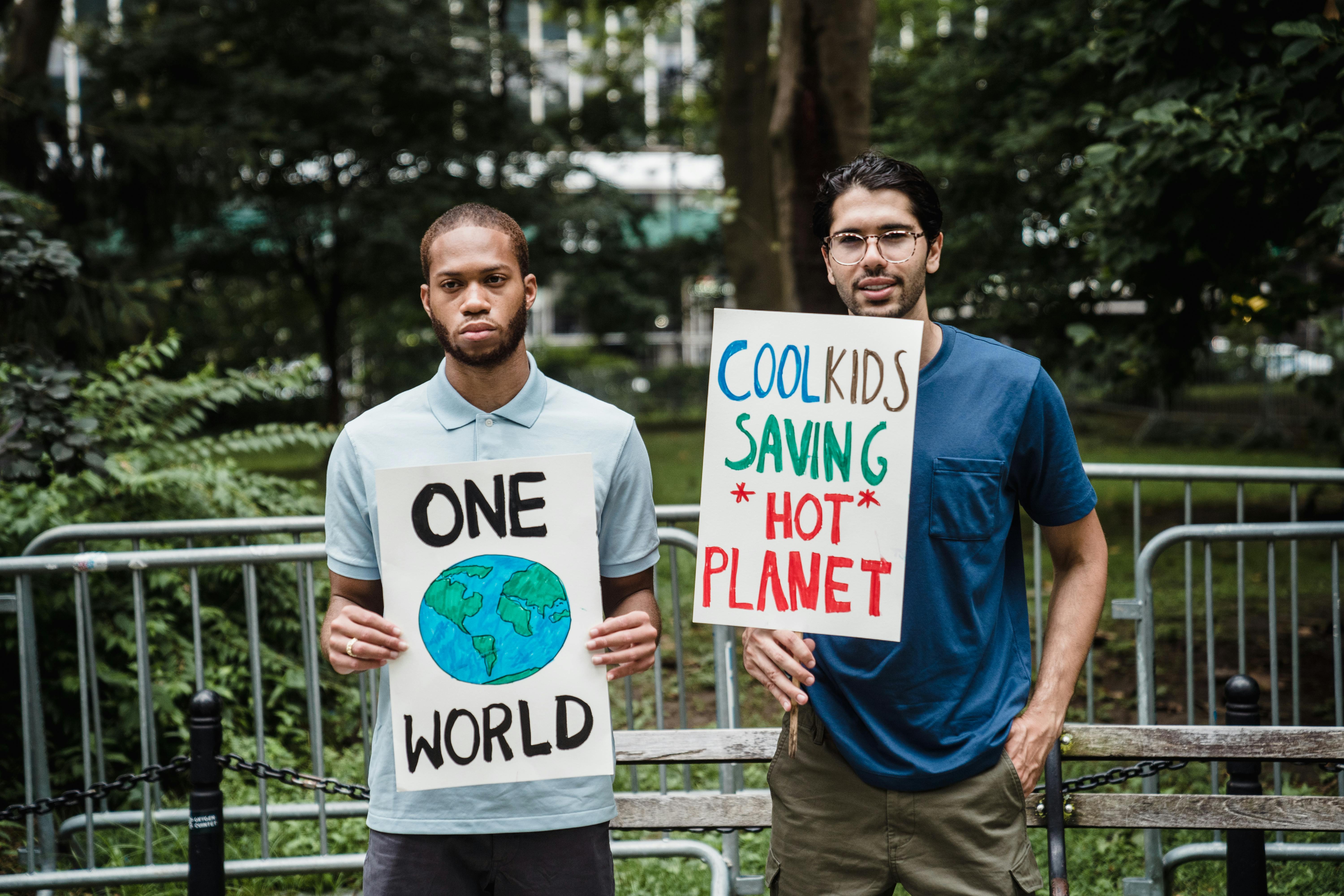
In 2026, the promise of green technology – from renewable energy to clean water solutions – is undeniable. Yet, a stark reality persists: frontline communities, often marginalized and disproportionately affected by pollution, are consistently left behind. This in-depth article uncovers the systemic barriers to equitable access to sustainable solutions, offers expert analysis on bridging the divide, and crucially, provides actionable insights into the best green tech options and funding pathways available. Discover how your community can invest in, secure, and thrive with clean energy, advanced water purification, and eco-friendly infrastructure, ensuring environmental justice and unlocking significant long-term savings and wealth generation.
Introduction to the Topic
Welcome to 2026, a pivotal year where the urgency of climate action collides with the promise of unprecedented technological innovation. From solar-powered smart cities to AI-driven resource management, the “Green Revolution” is transforming our world. Yet, beneath the gleaming facade of progress lies a deeply troubling paradox: the very communities suffering most from environmental degradation—often low-income neighborhoods, Indigenous lands, and communities of color—are frequently denied access to the very solutions designed to mitigate these harms. This isn't just an oversight; it's the “Green Tech Gap,” a multi-billion-dollar chasm that perpetuates injustice and stifles economic opportunity. At treatusequal.com, we believe that environmental justice isn't a luxury; it's a fundamental right and a pathway to collective prosperity. This article will dissect the Green Tech Gap, reveal its profound impacts, and arm you with the knowledge to demand and secure equitable access to sustainable technologies and services, turning environmental challenges into community-led investment and wealth-building opportunities.
Backgrounds & Facts
Environmental justice, first articulated decades ago, calls for the fair treatment and meaningful involvement of all people regardless of race, color, national origin, or income, with respect to the development, implementation, and enforcement of environmental laws, regulations, and policies. In 2026, this definition has expanded to include equitable access to environmental benefits, particularly green technology. For generations, marginalized communities have borne the brunt of polluting industries, from fossil fuel power plants to hazardous waste sites. Studies consistently show that these communities experience higher rates of asthma, cancer, and other chronic illnesses directly linked to poor air and water quality. Despite the advent of groundbreaking green technologies designed to combat these issues, their deployment remains stubbornly inequitable.
For instance, while rooftop solar installations have surged across affluent suburbs, many urban core and rural communities, often with aging infrastructure and higher energy burdens, lag significantly. Electric Vehicle (EV) charging networks are dense in wealthy areas but sparse in neighborhoods where residents could most benefit from cleaner air and reduced fuel costs. The barriers are multifaceted: lack of upfront capital, complex grant application processes, insufficient local capacity, predatory lending practices, and even “green gentrification” where sustainable developments inadvertently displace long-term residents. The economic impact is profound; communities without access to green tech miss out on energy bill savings, new job creation in the green economy, and the enhanced property values that come with sustainable infrastructure. This perpetuates a cycle of disinvestments and health disparities, creating a dual challenge: addressing historic pollution while also ensuring new, sustainable solutions are deployed justly. The year 2026 demands a radical shift, not just in technology, but in how we distribute its benefits.
Expert Opinion / Analysis
“The Green Tech Gap isn't just about technology; it's a systemic failure rooted in historical inequities and market forces that prioritize profit over people,” asserts Dr. Lena Khan, a leading environmental justice economist and founder of the Equitable Futures Institute. “We've seen incredible advancements in renewable energy, smart grids, and sustainable water management, but without intentional, community-driven deployment strategies, these innovations risk exacerbating existing disparities.”
Dr. Khan's analysis highlights several critical points. Firstly, traditional financing models for green tech often exclude communities deemed “high risk,” ignoring the immense social and environmental returns on investment. “Banks and private investors need to look beyond conventional metrics and embrace innovative financing tools like community land trusts, revolving loan funds, and green bonds specifically tailored for environmental justice initiatives,” she advises. Secondly, there's a significant knowledge and capacity gap. Many frontline communities lack the technical expertise or the grant-writing resources to navigate complex funding landscapes. “This is where partnerships with NGOs, universities, and dedicated environmental justice consulting firms become invaluable,” says Dr. Khan. “They can provide the scaffolding necessary for communities to design, implement, and own their sustainable futures.” Finally, policy plays a pivotal role. “While federal initiatives like the Environmental Justice for All Act (hypothetically in 2026) are crucial, local and state governments must implement robust policies that mandate equitable green tech deployment, offer incentives for community ownership, and protect against displacement. We need a ‘Just Transition’ that not only moves us away from fossil fuels but actively builds wealth and resilience in the communities most impacted by the previous energy economy,” Dr. Khan concludes, emphasizing that true innovation lies not just in the tech itself, but in its just distribution.
💰 Best Options in Comparison (VERY IMPORTANT)
For communities and individuals looking to bridge the Green Tech Gap and invest in a sustainable, equitable future, several high-impact solutions offer significant long-term savings, health benefits, and wealth generation potential. Understanding these options and their funding pathways is crucial for making informed decisions and securing a prosperous future.
-
Community-Owned Renewable Energy & Microgrids
Description: These projects involve local residents and organizations investing in and owning renewable energy assets like large-scale solar farms or wind turbines, often paired with battery storage to create resilient microgrids. This provides energy independence, reduces reliance on fossil fuels, and keeps energy dollars within the community.
Key Benefits: Drastically reduced energy bills, protection against grid outages, local job creation (installation, maintenance), revenue generation from energy sales, improved air quality, and enhanced community resilience. These are prime examples of direct community investment with measurable ROI.
Funding Pathways: Federal and state grants (e.g., Department of Energy's Clean Energy Community grants, EPA Environmental Justice grants), low-interest loans from community development financial institutions (CDFIs), community bond offerings, crowdfunding platforms, and utility incentive programs. Equity models allow residents to become shareholders.
-
Advanced Sustainable Water & Air Purification Systems
Description: Investing in localized, high-efficiency water filtration systems (e.g., advanced membrane filtration, UV purification for lead/PFAS removal) and community-level air quality monitoring with integrated filtration solutions. This is vital for areas with contaminated water sources or persistent air pollution.
Key Benefits: Direct improvement in public health outcomes, reduced healthcare costs, access to clean drinking water, real-time air quality data for advocacy, and potential for sustainable water reuse. These are essential environmental health investments.
Funding Pathways: EPA Drinking Water State Revolving Fund (DWSRF), USDA Rural Development grants, philanthropic foundations focused on environmental health, municipal bonds, and public-private partnerships. Specialized vendors often offer financing options and maintenance contracts.
-
Green Home Retrofit & Energy Efficiency Programs
Description: Comprehensive programs to upgrade existing residential buildings with energy-efficient technologies (e.g., heat pumps, smart thermostats, insulation, high-efficiency windows, LED lighting) and renewable energy integration (e.g., rooftop solar). Focus on affordable housing and low-income homeowners.
Key Benefits: Significant reduction in utility bills (often 20-50%), improved indoor air quality, enhanced home comfort, increased property value, reduced carbon footprint, and creation of local skilled jobs (HVAC, electricians, construction). These are high-ROI investments for homeowners.
Funding Pathways: Weatherization Assistance Program (WAP), state energy efficiency programs, utility rebates and incentives, Property Assessed Clean Energy (PACE) loans, green mortgages, and non-profit housing rehabilitation grants. Many programs offer free energy audits to identify prime upgrade opportunities.
| Solution Category | Key Benefits for EJ Communities | Typical Community-Level Cost Range (USD) | Primary Funding Pathways | Key ROI / Long-Term Savings |
|---|---|---|---|---|
| Community-Owned Renewable Energy & Microgrids | Energy independence, reduced bills, local jobs, improved air quality, grid resilience. | $500,000 - $10,000,000+ (project dependent) | Federal/State Grants, CDFI Loans, Community Bonds, Utility Incentives | 20-50% reduction in utility costs, revenue from energy sales, enhanced property value, job creation. |
| Advanced Sustainable Water & Air Purification Systems | Clean drinking water, improved health outcomes, real-time data, reduced healthcare costs. | $100,000 - $5,000,000+ (system dependent) | EPA DWSRF, USDA Rural Dev. Grants, Philanthropic Funds, Municipal Bonds | Reduced health expenditures, increased quality of life, avoidance of costly waterborne illness. |
| Green Home Retrofit & Energy Efficiency Programs | Lower utility bills, increased comfort, improved indoor air quality, higher home value. | $5,000 - $50,000 per home (retrofit dependent) | WAP, State Programs, Utility Rebates, PACE Loans, Green Mortgages | 15-40% annual energy bill savings, increased home equity, extended appliance lifespan. |
To maximize your community's chances of securing these vital investments, consider partnering with specialized environmental justice consulting firms (e.g., EJ Solutions Group or Green Equity Advisors) who can navigate grant applications, facilitate community engagement, and connect you with ethical green tech providers. Always seek multiple quotes for services and prioritize providers with a proven track record of working successfully with environmental justice communities. Investing in these solutions is not just about environmental improvement; it's a strategic move to build generational wealth and health for your community.
Outlook & Trends
The landscape of environmental justice and green technology is evolving rapidly. Looking ahead to the late 2020s and beyond, several key trends promise to reshape how communities access and benefit from sustainable solutions. Firstly, the rise of Artificial Intelligence (AI) and advanced sensor technology will revolutionize resource management, allowing for hyper-localized monitoring of air and water quality, predictive maintenance for green infrastructure, and optimized energy grids. This data-driven approach will empower communities with precise information for advocacy and decision-making, moving beyond broad assumptions to targeted interventions.
Secondly, the “circular economy” model is gaining significant traction. This involves designing out waste and pollution, keeping products and materials in use, and regenerating natural systems. For environmental justice, this means a focus on local repair economies, sustainable manufacturing that creates green jobs, and waste-to-energy solutions that don't burden fenceline communities. Expect to see more community-led initiatives around material reuse, upcycling, and localized composting programs that divert waste from landfills and create valuable resources.
Thirdly, policy frameworks are becoming more sophisticated. Beyond direct funding, governments are exploring innovative mechanisms like “social impact bonds” for green projects, carbon credit markets that reward community-led conservation, and robust anti-greenwashing regulations that protect consumers and communities from misleading claims. The integration of environmental justice principles into all levels of policy-making will be critical, ensuring that future green development is inherently equitable. Finally, the role of grassroots activism and inter-community collaboration will continue to be paramount. Digital tools and social platforms (e.g., EJConnect.org) are facilitating unprecedented levels of information sharing and collective action, allowing communities to learn from each other's successes and amplify their demands for a truly just and sustainable future. The outlook is one of increasing empowerment, where technology serves as a tool for justice, not just profit.
Conclusion
The Green Tech Gap is a profound challenge, but it is not insurmountable. In 2026, the imperative to bridge this divide is clearer than ever, driven by both moral conviction and sound economic sense. By understanding the systemic barriers, leveraging expert insights, and strategically investing in proven green technologies and services, communities can actively transform their environmental burdens into opportunities for health, wealth, and resilience. The future of our planet and its people hinges on ensuring that the benefits of the Green Revolution are accessible to all, not just a privileged few. It's time to demand and secure environmental justice, one sustainable solution at a time, forging a future where every community can thrive.