
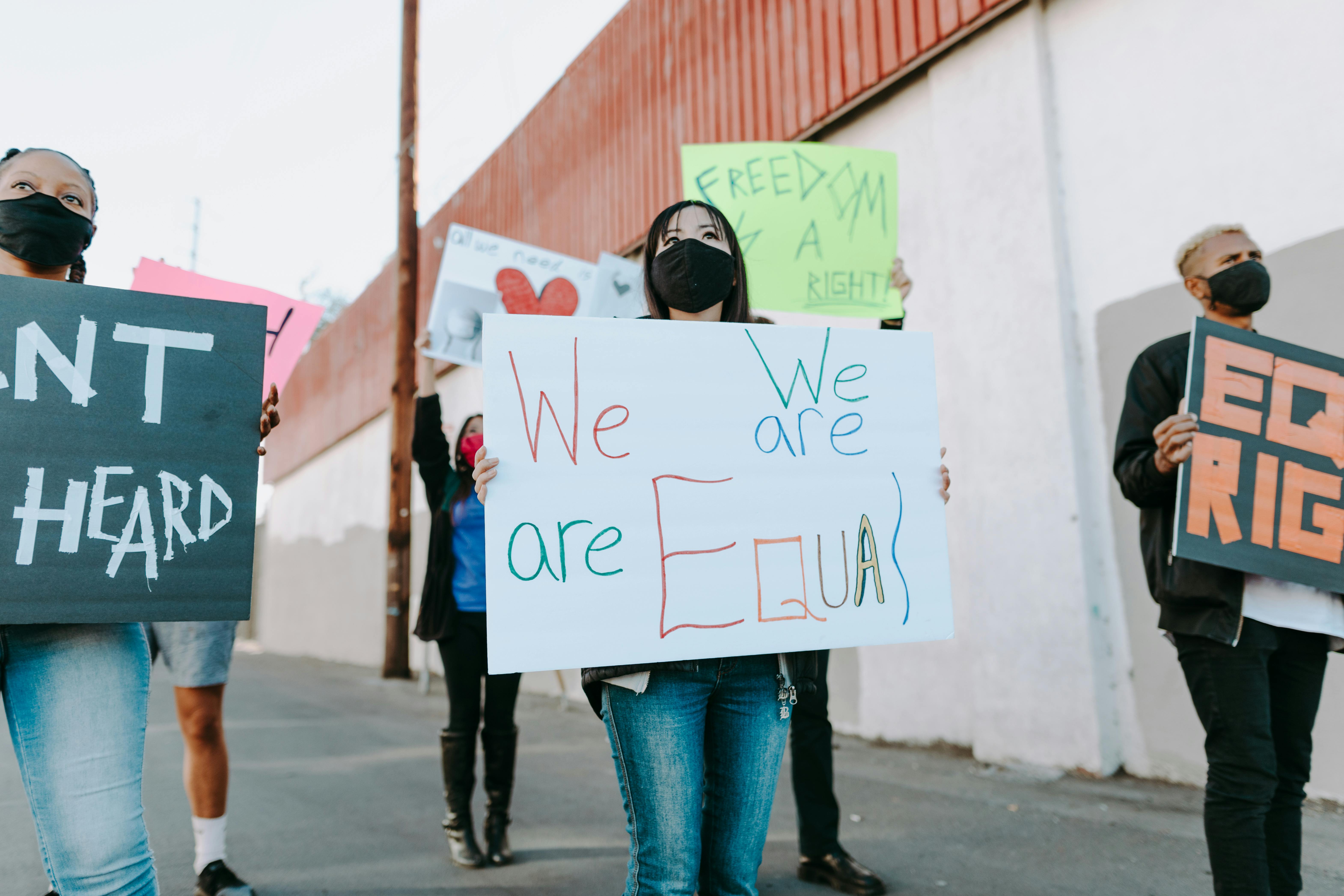
Are AI algorithms silently sabotaging your career prospects or limiting your talent pool? In 2026, the urgent debate around AI bias in recruitment intensifies. Discover how algorithmic discrimination impacts diversity, compliance, and the future of work, and explore the leading ethical AI hiring platforms and bias detection tools designed to ensure genuine workforce equality.
Introduction to the Topic
The promise of Artificial Intelligence in human resources was once boundless: unbiased, efficient, and data-driven hiring decisions. Yet, as we navigate 2026, the reality reveals a more complex picture. While AI tools streamline candidate screening, automate scheduling, and even predict job success, a dark secret persists: algorithmic bias. These sophisticated systems, often fed historical data reflecting past societal inequalities, can inadvertently perpetuate and amplify discrimination, creating invisible barriers for qualified candidates from diverse backgrounds.
This isn't just an ethical dilemma; it's a critical business challenge. Companies face not only reputational damage and legal repercussions but also the tangible loss of innovative talent. As global regulations like the expanded EU AI Act and evolving anti-discrimination laws in major economies tighten, the imperative for fair and ethical AI in recruitment has never been more urgent. This article delves into the insidious nature of AI bias, examines its profound impact on equality, and, crucially, guides you through the cutting-edge solutions available in 2026 to foster genuinely equitable hiring practices.
Backgrounds & Facts
The roots of AI bias in recruitment are multifaceted, primarily stemming from two areas: data and algorithms. Firstly, data bias occurs when the training data reflects existing societal prejudices. If historical hiring data predominantly features candidates of a certain demographic for senior roles, an AI system trained on this data might learn to favor similar profiles, inadvertently penalizing others. For example, if past successful candidates in tech roles were overwhelmingly male, the AI might subtly deprioritize female applicants, even if their skills are identical or superior.
Secondly, algorithmic bias arises from the design of the algorithm itself or how it interprets complex patterns. An algorithm might identify proxies for protected characteristics. For instance, if a candidate's resume includes participation in a women-in-tech group or a historically Black college, the AI could, unknowingly, infer gender or race and introduce bias, even if those specific data points aren't explicitly flagged as discriminatory. Reports from the Global AI Ethics Institute indicate that over 60% of companies leveraging AI for recruitment in 2025 encountered some form of algorithmic bias, leading to significant challenges in diversity metrics and legal compliance.
The impact is profound: Studies show that AI bias can reduce the likelihood of women advancing in certain job pipelines by up to 30%, and similar disparities exist for racial minorities, older workers, and individuals with disabilities. This isn't just theoretical; it translates into real-world lost opportunities for individuals and a less innovative, less representative workforce for organizations. The economic cost of missed talent alone is staggering, estimated by some economists to be in the trillions globally. Furthermore, the legal landscape is evolving rapidly. Beyond the EU AI Act, which mandates stringent risk assessments for high-risk AI systems like those in employment, several U.S. states and countries have introduced specific legislation targeting algorithmic discrimination in hiring, making ethical AI not just a best practice, but a legal necessity.
Expert Opinion / Analysis
The consensus among leading experts is clear: AI bias is a solvable problem, but it requires proactive, systemic intervention. Dr. Anya Sharma, lead researcher at the Institute for Algorithmic Justice, states, "AI in recruitment isn't inherently biased; it's a mirror of the data we feed it. The challenge for 2026 is moving beyond identification to proactive, systemic remediation. Companies must invest in robust data governance and ethical AI frameworks from the ground up, not as an afterthought." Her research highlights that simply 'removing' biased features isn't enough; the intricate correlations within data can still lead to discriminatory outcomes.
Marcus Thorne, CEO of FutureHire Solutions, a prominent HR tech consultancy, emphasizes the business imperative. "Companies that fail to address AI bias are not just risking lawsuits; they're missing out on diverse talent pools that drive innovation and profitability. Our data shows that organizations with higher D&I scores consistently outperform their peers in market share and employee retention. Ethical AI in hiring isn't a cost; it's a strategic investment with clear ROI." Thorne points to the increasing demand for 'explainable AI' (XAI) in recruitment, where the rationale behind AI's decisions can be understood and audited by human experts, fostering trust and accountability.
Legal analyst Sarah Chen, specializing in employment law and AI, adds a cautionary note: "The regulatory environment is catching up fast. While compliance might seem like a burden, it's an opportunity for organizations to future-proof their hiring practices. Ignoring algorithmic bias now will lead to significant financial penalties and irreversible brand damage later. Proactive engagement with AI ethics and implementing certified fair hiring solutions are no longer optional – they are foundational to responsible business operations in 2026." The expert consensus underscores a critical shift: from merely acknowledging the problem to actively investing in comprehensive, verifiable solutions that ensure fairness and equality at every stage of the talent acquisition lifecycle.
💰 Best Options in Comparison (VERY IMPORTANT)
Navigating the complex landscape of AI bias in recruitment requires powerful, specialized tools. For companies with purchasing intent, understanding the leading solutions is crucial. Here, we compare top platforms designed to detect, mitigate, and prevent algorithmic discrimination, helping you build a truly equitable workforce in 2026.
-
EthiHire AI™: Comprehensive Bias Auditing & Remediation Platform
EthiHire AI™ is a robust, enterprise-grade solution specializing in real-time bias detection and prescriptive remediation across the entire hiring pipeline. It integrates deeply with existing Applicant Tracking Systems (ATS) and HRIS, analyzing everything from job description language to candidate scoring models. Its unique feature is its 'Bias Remediation Engine,' which not only flags potential biases but suggests concrete, actionable steps to correct them, such as rephrasing job descriptions or recalibrating AI scoring weights. EthiHire AI™ offers detailed compliance reporting tailored for the EU AI Act, EEOC guidelines, and various local anti-discrimination laws, making it ideal for large corporations with complex regulatory needs.
-
DiversiScan Pro: Pre-Screening Bias Analysis & Fairness Index
DiversiScan Pro focuses on the critical early stages of recruitment: job descriptions, resume parsing, and initial candidate screening. This platform uses advanced natural language processing (NLP) to identify gendered language, ageist terms, or other exclusionary phrasing in job postings that could deter diverse applicants. It also provides a 'Fairness Index' for candidate pools, identifying potential bottlenecks where bias might be occurring. DiversiScan Pro is known for its intuitive user interface and quick integration via API with major ATS and CRM systems, making it a popular choice for mid-market companies and recruitment agencies looking for targeted, effective pre-screening bias mitigation.
-
Inclusive Talent Scout (ITS): Augmented Intelligence for Diverse Sourcing
Inclusive Talent Scout (ITS) takes a proactive approach by leveraging explainable AI to broaden candidate pools beyond traditional networks, specifically targeting underrepresented groups. Instead of just detecting bias, ITS actively helps recruiters discover and engage with diverse talent based purely on skills and potential, minimizing the impact of historical biases embedded in professional networks or educational backgrounds. It uses anonymized initial screening and provides recruiters with a diverse array of qualified candidates, complete with transparency into why each candidate was presented. ITS is perfect for HR teams and talent acquisition managers seeking to enhance their diversity sourcing strategies and build a more inclusive talent pipeline from the ground up.
To help you choose the best fit for your organization, here's a detailed comparison:
| Feature / Product | EthiHire AI™ | DiversiScan Pro | Inclusive Talent Scout (ITS) |
|---|---|---|---|
| Primary Function | Real-time bias detection & remediation across pipeline | JD & resume bias analysis, scheduling fairness | Skills-based sourcing, diverse candidate outreach |
| Target User | Large Enterprises, HR Ops, Legal & Compliance | Mid-Market Companies, Recruiters, D&I Teams | Recruiters, Talent Acquisition Managers, HR Teams |
| Key Differentiator | Comprehensive data-to-decision pipeline audit & prescriptive fixes | Focus on pre-screening stages, intuitive UI, Fairness Index | Explainable AI for broader, equitable talent pools & proactive diversity |
| Compliance Features | EU AI Act, EEOC, local D&I regulations, audit trails | Alerts for biased language, compliance reports for pre-screening | Anonymized initial screening, diverse pipeline metrics, ethical sourcing |
| Integration | Deep integration with major ATS (Workday, SAP SuccessFactors), HRIS | API with major ATS, CRM systems (Greenhouse, Lever, Salesforce) | Seamless with LinkedIn Recruiter, applicant tracking systems, custom APIs |
| Pricing Model | Enterprise annual license (tiered by usage, number of users) | Subscription (per user/month, tiered feature sets) | Subscription (per recruiter seat/month, volume discounts) |
Outlook & Trends
The landscape of ethical AI in recruitment is rapidly evolving. Looking ahead, several key trends will shape how organizations approach fair hiring in 2026 and beyond. Firstly, the demand for Explainable AI (XAI) will intensify. Companies won't just want AI to make decisions; they'll need to understand *why* those decisions were made. This transparency is crucial for building trust, conducting audits, and defending against legal challenges. XAI will move from a niche feature to a standard requirement for all reputable HR tech solutions.
Secondly, the concept of a Human-in-the-Loop (HITL) will become even more prevalent. While AI offers efficiency, critical decisions, especially those with significant impact on individuals' careers, will increasingly require human oversight and final approval. This hybrid approach ensures that human judgment and empathy remain central to the hiring process, mitigating risks where AI might falter. Thirdly, proactive bias prevention will supersede reactive detection. Instead of merely identifying bias after it occurs, the focus will shift towards designing AI systems and collecting data in ways that inherently minimize bias from the outset. This includes synthetic data generation, bias-aware algorithm design, and continuous, automated fairness testing throughout the AI lifecycle.
Finally, the global regulatory framework will continue to mature. Expect more harmonized international standards, but also a proliferation of industry-specific guidelines for ethical AI deployment. The market for ethical AI consulting and certification will boom, as companies seek external validation of their fair hiring practices. Ultimately, the future of AI in recruitment isn't about replacing humans, but about augmenting their capabilities to create a fairer, more efficient, and truly inclusive talent landscape.
Conclusion
The era of unchecked AI in recruitment is swiftly drawing to a close. In 2026, the imperative to address algorithmic bias is no longer a theoretical concern but a fundamental requirement for responsible business and sustainable growth. Companies that embrace ethical AI not only safeguard their reputation and ensure legal compliance but also unlock the true potential of a diverse and innovative workforce. The solutions presented – from comprehensive bias auditing to proactive diverse sourcing – represent powerful tools in this ongoing fight for equality.
The future of equitable hiring isn't just a vision; it's an actionable reality. By understanding the nuances of AI bias and strategically investing in advanced fair hiring solutions, organizations can transform their talent acquisition processes, ensuring every candidate receives a fair chance. Explore these advanced solutions today and take a definitive step towards building a truly inclusive and high-performing team that reflects the rich diversity of our world. The time to act is now – for your company, for your candidates, and for a more equitable future.