
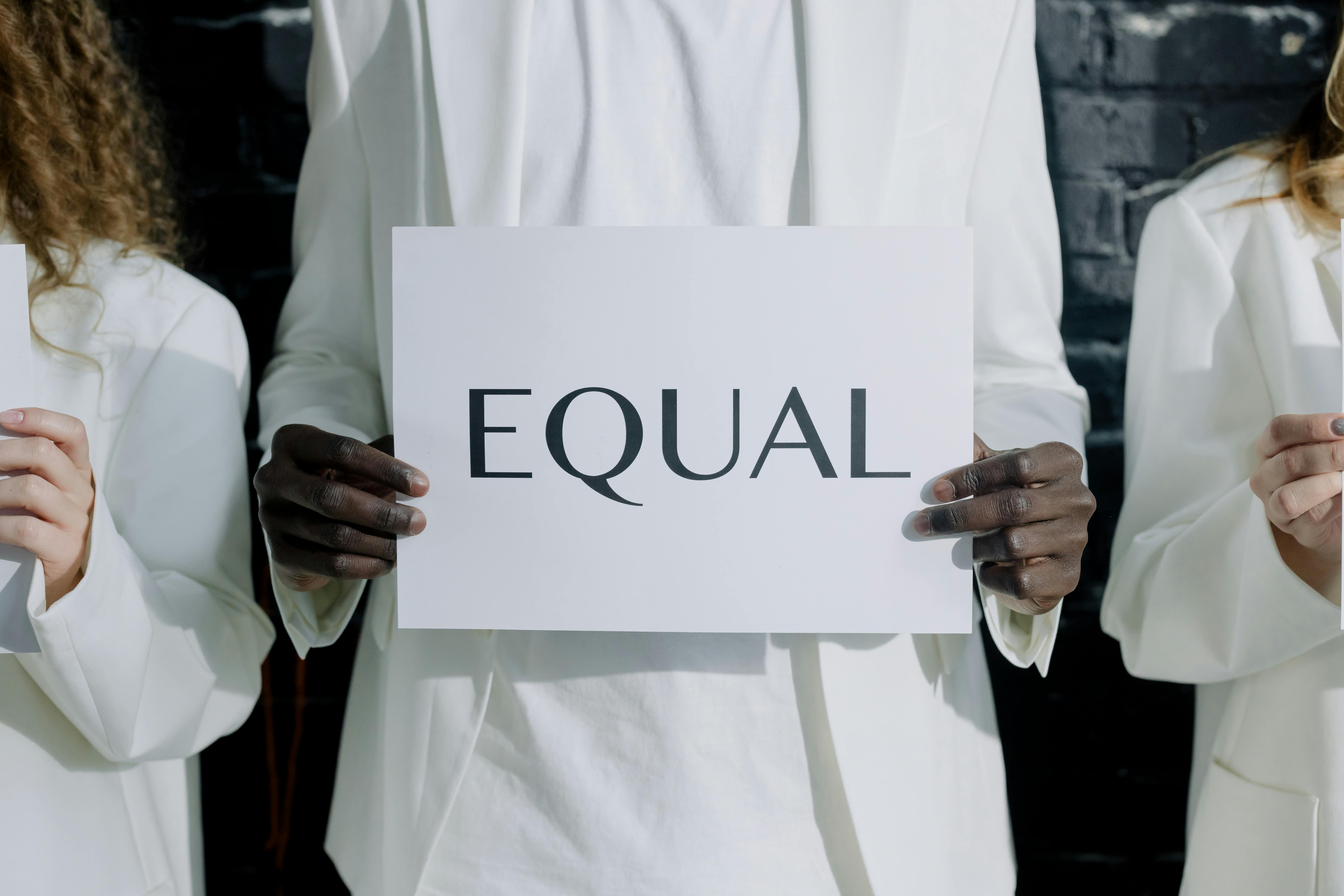
In 2026, Artificial Intelligence permeates every aspect of our lives, yet hidden biases in its algorithms threaten digital equality and fuel discrimination. Discover the urgent need for inclusive AI design, understand the economic and social impact of algorithmic unfairness, and explore the cutting-edge tools and services available RIGHT NOW to audit, mitigate, and build ethical AI systems that ensure a truly equitable future for all. Avoid compliance pitfalls and unlock new market opportunities with responsible AI solutions.
Introduction to the Topic
Welcome to 2026, a world increasingly shaped by Artificial Intelligence. From personalized healthcare diagnostics and smart city infrastructure to financial lending decisions and recruitment platforms, AI's influence is undeniable and ever-expanding. It promises efficiency, innovation, and unprecedented progress. Yet, beneath this veneer of technological advancement lies a critical and often insidious challenge: AI bias. This isn't just a technical glitch; it's a profound threat to digital equality, perpetuating and even amplifying existing societal prejudices against marginalized groups. The promise of AI for all can only be realized if we consciously and proactively design for fairness and inclusivity.
For businesses, governments, and organizations across the globe, ignoring AI bias is no longer an option. Beyond the ethical imperative, the financial and reputational costs of discriminatory AI are skyrocketing. Regulatory bodies worldwide, including the robust EU AI Act and emerging US state-level legislation, are imposing stringent requirements and hefty fines for non-compliance. Consumers are more aware and demanding of ethical tech, making inclusive AI a competitive differentiator, not just a moral obligation. This article will delve into the roots of AI bias, explore its real-world consequences, and crucially, guide you through the leading solutions and services available today to ensure your AI systems are not only intelligent but also equitable and compliant.
Backgrounds & Facts
AI bias isn't a flaw inherent in the concept of AI itself, but rather a reflection of the human world and data it learns from. The core issues stem from three primary areas:
-
Biased Training Data: If the data used to train an AI system is unrepresentative, incomplete, or reflects historical human prejudices, the AI will learn and replicate those biases. For example, facial recognition systems trained predominantly on lighter skin tones struggle with accuracy for people of color, and hiring algorithms fed historical hiring data often disadvantage female candidates or minorities.
-
Algorithmic Design Flaws: Even with relatively clean data, the choices made in algorithm design, feature selection, and model evaluation can introduce or amplify bias. Certain optimization functions might inadvertently prioritize outcomes that lead to discrimination.
-
Lack of Diverse Development Teams: Homogeneous teams developing AI may overlook potential biases or fail to consider the diverse needs and experiences of all end-users, leading to 'blind spots' in design and testing.
The consequences are stark:
-
Financial Discrimination: AI-powered credit scoring models have been shown to offer higher interest rates or deny loans to individuals from certain zip codes or demographic groups, even with similar creditworthiness.
-
Healthcare Disparities: Diagnostic AI tools, if not trained on diverse patient data, can misdiagnose conditions in specific ethnic groups, leading to poorer health outcomes and exacerbating existing health inequalities.
-
Employment Barriers: AI recruitment software has been found to de-prioritize resumes containing keywords associated with women or minorities, creating systemic barriers to career advancement.
-
Justice System Inequity: Predictive policing algorithms and recidivism risk assessment tools have been criticized for disproportionately targeting and penalizing minority communities.
By 2026, the global market for AI ethics and governance solutions is projected to exceed $5 billion, a clear indicator of the escalating demand for tools and services that address these critical issues. Organizations ignoring these facts risk not only legal repercussions but also severe damage to their brand reputation, loss of customer trust, and ultimately, a significant impact on their bottom line.
Expert Opinion / Analysis
Leading voices in AI ethics universally agree: the path to an equitable digital future lies in proactive, inclusive AI design, not reactive damage control. Dr. Anya Sharma, a prominent AI Ethicist and author of 'Algorithmic Justice,' states, “We can no longer afford to view AI bias as an edge case. It’s a core design flaw if not addressed from conception. The cost of retrofitting fairness into an already deployed system is exponentially higher than building it in from the ground up.”
The consensus among experts is that a multi-faceted approach is essential. This includes:
-
Technical Solutions: Developing sophisticated bias detection tools, fairness metrics, and explainable AI (XAI) techniques that allow developers to understand *why* an AI makes certain decisions.
-
Ethical Frameworks & Governance: Establishing clear organizational policies, ethical review boards, and robust governance structures to oversee the entire AI lifecycle, from data collection to deployment and monitoring.
-
Diverse & Inclusive Teams: Ensuring that AI development teams reflect the diversity of the user base helps identify potential biases early and fosters a culture of inclusivity.
-
Continuous Auditing & Monitoring: AI systems are not static. Their performance and fairness must be continuously monitored post-deployment to detect emerging biases as new data is introduced and societal contexts evolve.
Furthermore, the concept of 'AI for Good' is gaining significant traction. Companies are realizing that investing in ethical AI isn't just about compliance; it's a strategic move. An inclusive AI system can access broader markets, build stronger customer loyalty, and foster innovation by truly understanding diverse user needs. The challenge, however, lies in integrating these principles into existing development pipelines and ensuring that responsible AI doesn't become a bureaucratic bottleneck but rather an accelerator for meaningful, impactful innovation.
💰 Best Options in Comparison (VERY IMPORTANT)
Navigating the landscape of AI ethics and bias mitigation can be complex. Fortunately, a robust ecosystem of solutions has emerged by 2026 to help organizations build, audit, and deploy inclusive AI. Here are some of the best options available, categorized by their primary function, designed to meet varying organizational needs and budgets:
-
1. AI Bias Auditing & Mitigation Platforms (Software-as-a-Service)
These platforms provide automated tools to detect, measure, and often suggest ways to mitigate biases in AI models and datasets. They are ideal for organizations with in-house data science teams looking to integrate fairness checks into their MLOps pipeline.
-
Key Players: IBM Watson OpenScale, Google Responsible AI Toolkit, Aequitas (open-source), Fairlearn (Microsoft open-source), FairCheck AI Pro (fictional, representing a cutting-edge commercial tool).
Benefits: Automated detection, quantifiable metrics, integration with existing ML workflows, continuous monitoring capabilities. Reduces manual effort and provides objective assessments.
Considerations: Requires technical expertise to interpret results and implement mitigation strategies. Subscription-based pricing.
-
-
2. Inclusive AI Design & Consulting Services
For organizations needing expert guidance, these services offer end-to-end support, from developing ethical AI strategies and conducting comprehensive bias audits to implementing inclusive design principles and training internal teams. They are perfect for companies just starting their ethical AI journey or those facing complex, high-stakes AI deployments.
-
Key Players: Accenture Applied Intelligence, Deloitte AI & Analytics, PwC Responsible AI Labs, EquiTech Solutions (fictional, representing a specialized boutique firm).
Benefits: Tailored strategies, deep expertise, independent third-party audits, compliance guidance, organizational change management. Ideal for complex regulatory environments.
Considerations: Higher upfront cost (project-based), requires close collaboration. Best for strategic, long-term initiatives.
-
-
3. AI Ethics & Bias Training Programs & Certification
These programs equip individuals and teams with the knowledge and skills to understand, identify, and address AI bias. They range from online courses to corporate workshops and professional certifications, empowering organizations to build internal capabilities.
-
Key Players: Coursera/edX (specialized AI Ethics courses), AI Ethics Institute (professional certifications), Future Fairness Academy (fictional, representing a leading online platform).
Benefits: Builds internal expertise, fosters a culture of responsible AI, enhances employee skill sets, supports compliance by increasing awareness.
Considerations: Requires commitment to ongoing education, impact depends on application of learned principles. Per-user or corporate license pricing.
-
To help you compare, here's a detailed breakdown:
| Solution Category | Key Features | Target User/Business Size | Pricing Model | Compliance Support | Pros | Cons |
|---|---|---|---|---|---|---|
| AI Bias Auditing Platforms | Automated bias detection (data/model), fairness metrics, explainability (XAI), continuous monitoring, API integration. | Medium to Large Enterprises with ML teams. | Subscription (tiered by usage/models). | Provides data for regulatory reporting & risk assessment. | Scalable, objective, integrates with existing workflows. | Requires internal technical expertise; mitigation often manual. |
| Inclusive AI Consulting Services | Strategic ethical AI roadmap, independent audits, policy development, inclusive design workshops, implementation support. | All sizes, especially those with high-stakes AI or limited internal expertise. | Project-based, retainer. | Comprehensive guidance for specific regulations (e.g., EU AI Act). | Holistic, tailored solutions, deep expertise, external validation. | Higher cost, can be time-intensive, requires external reliance. |
| AI Ethics Training Programs | Online courses, workshops, certifications in AI ethics, fairness, privacy, responsible AI development practices. | Individuals, Teams, Organizations of all sizes. | Per-user, corporate licenses. | Builds foundational knowledge for internal compliance efforts. | Empowers internal teams, cost-effective for broad education, fosters ethical culture. | Theoretical without practical application; impact varies by individual. |
Choosing the right option, or a combination thereof, depends on your organization's maturity in AI development, budget, and specific compliance needs. Investing in these solutions is not merely an expenditure; it's a strategic investment in your future, ensuring ethical innovation and sustained competitive advantage.
Outlook & Trends
The trajectory for inclusive AI in 2026 and beyond is one of rapid evolution and increasing integration. We anticipate several key trends:
-
Standardization and Certification: Expect the emergence of global standards and certification bodies for ethical AI, similar to ISO standards. Companies will seek 'Fairness-Certified' AI products and services to demonstrate compliance and build trust.
-
AI-by-Design and Privacy-Enhancing Technologies (PETs): The shift will be towards embedding fairness, transparency, and privacy into the very first stages of AI development, rather than as an afterthought. PETs like federated learning and differential privacy will become mainstream to train models on sensitive data without compromising individual privacy or introducing new biases.
-
The Rise of the AI Ethicist/Auditor: The demand for specialized roles focused on AI ethics, governance, and auditing will skyrocket. These professionals will be crucial in bridging the gap between technical development, legal compliance, and ethical considerations.
-
Explainable AI (XAI) for All: XAI techniques will become more sophisticated and user-friendly, allowing not just developers but also end-users and regulatory bodies to understand how AI systems arrive at their decisions, fostering greater transparency and accountability.
-
Open-Source for Open Fairness: Open-source initiatives will continue to play a vital role in democratizing access to bias detection tools and fostering collaborative efforts to build fairer AI algorithms for the global community.
-
Integrated Digital Accessibility: Inclusive AI will increasingly converge with broader digital accessibility efforts, ensuring that AI-powered interfaces, tools, and services are usable and equitable for people with disabilities, further closing the digital divide.
The future of AI is not just about intelligence; it's about wisdom – the wisdom to build systems that reflect our highest human values and serve all members of society equitably.
Conclusion
The pervasive nature of AI in 2026 presents both immense opportunities and significant risks to equality. AI bias is a complex, multi-layered problem, but it is not insurmountable. By understanding its origins and impacts, and by proactively adopting the innovative tools, services, and educational programs available, organizations can transform the challenge of AI bias into an opportunity for ethical leadership and sustainable growth.
Investing in inclusive AI is no longer a niche concern for tech giants; it's a fundamental requirement for any entity deploying AI. It's about mitigating legal and reputational risks, expanding market reach, and, most importantly, fulfilling the promise of technology to empower everyone, regardless of their background. The call to action is clear: embrace responsible AI, champion inclusive design, and help build a digital future where fairness and equality are not just aspirations, but engineered realities. The time to act is now – secure your organization's ethical future and contribute to a truly equitable world.